

 EN
EN
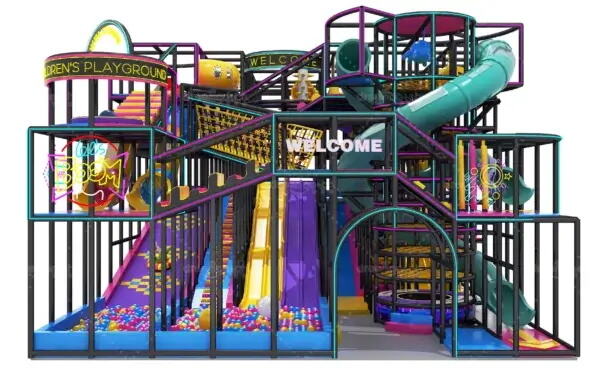
ramka zgodności na 2026 rok: dostosowanie do wymagań norm ASTM F1487 oraz CPSIA
Główne aktualizacje regulacyjne wpływające na konstrukcje placów zabaw przeznaczonych do użytku komercyjnego
Operatorzy komercyjnych placów zabaw stają przed kluczowymi zmianami regulacyjnymi w 2026 r. Zaktualizowana norma ASTM F1487-24 nakłada obowiązek przeprowadzania testów zwiększonej wytrzymałości konstrukcyjnej całego publicznego sprzętu do zabaw, w tym obowiązkowych protokołów testowania obciążeniowego dla elementów intensywnie użytkowanych, takich jak drabinki, zjeżdżalnie i poziome drążki nad głową. Jednocześnie wymagania CPSIA wprowadzają surowsze limity zawartości ołowiu (100 ppm) oraz ftalanów (0,1 % każdy dla DEHP, DBP, BBP, DINP, DIBP, DPENP, DHEXP i DCHP) w powłokach, tworzywach sztucznych oraz elementach tkaninowych. Niedopełnienie tych wymogów wiąże się z ryzykiem nałożenia kar w wysokości do 740 000 USD za każde naruszenie (U.S. CPSC, 2023) oraz potencjalnym zakazem prowadzenia działalności.
Istotne aktualizacje obejmują:
- certyfikaty trwałości materiałów ważności 12 miesięcy dla wszystkich nowych instalacji
- Rozszerzone obliczenia stref upadku — obowiązkowe teraz dla drabinek o wysokości przekraczającej 60 cali (152,4 cm), przy użyciu dynamicznego modelowania uderzenia zgodnie z normą ASTM F1292-23
- Weryfikację niezależną powierzchni pochłaniających uderzenia przez podmiot trzeci, w tym badania ściskania oraz analizę wilgotności w warunkach terenowych
Te zmiany bezpośrednio wpływają na budżety konserwacyjne, specyfikacje zakupowe oraz częstotliwość inspekcji dla konstrukcje placów zabaw przeznaczone do zastosowania komercyjnego .
Dlaczego coroczne audyty przeprowadzane przez niezależne strony trzecie są warunkiem bezwzględnie niezbędnym z punktu widzenia odpowiedzialności prawnej i ubezpieczenia
Ubezpieczyciele wymagają obecnie powszechnie audytów przeprowadzanych przez niezależne strony trzecie zgodnych ze standardem ASTM jako warunku przyznania ubezpieczenia odpowiedzialności cywilnej za placówki zabaw dla dzieci. Obiekty, które nie poddają się certyfikowanym inspekcjom, płacą składki ubezpieczeniowe o 63% wyższe (Stowarzyszenie Zarządzania Ryzykiem, 2024) oraz niosą większe ryzyko odmowy wypłaty odszkodowania po zgłoszeniu zdarzenia. Certyfikowani audytorzy dostarczają obiektywnych, dopuszczalnych w postępowaniu sądowym dokumentów, które wzmacniają pozycję obronną w sprawach sądowych oraz umożliwiają proaktywne zarządzanie ryzykiem.
Główne zalety obejmują:
- Bezstronne identyfikowanie wad – wolne od uprzedzeń wynikających z wewnętrznej kontroli lub ograniczeń zasobowych
- Analiza luk w zakresie zgodności bezpośrednio powiązana ze standardem ASTM F1487 oraz wytycznymi Komisji ds. Ochrony Konsumentów i Bezpieczeństwa Produktów (CPSC), co prowadzi do obniżenia liczby zdarzeń o 57% (Narodowe Stowarzyszenie Rekreacji i Parków, 2023)
- przetwarzanie roszczeń ubezpieczeniowych o 81% szybsze dzięki ustandaryzowanym i weryfikowalnym śladom dowodowym
Ta zewnętrzna weryfikacja nie jest już opcjonalna – stanowi podstawową ochronę przed pozwami wynikającymi z niedbalstwa oraz ryzykiem finansowym.
Konserwacja zapobiegawcza i cyfrowe systemy inspekcji
Czujniki IoT, tagi aktywów zakodowane w formacie QR oraz rejestracje w chmurze do śledzenia zgodności w czasie rzeczywistym
Konserwacja zapobiegawcza przekształca bezpieczeństwo komercyjnych placów zabaw dzięki zintegrowanym systemom cyfrowym. Czujniki IoT wbudowane w elementy konstrukcyjne narażone na duże obciążenia – takie jak zawieszenia huśtawek, kotwice drabinek i podpórki zjeżdżalni – stale monitorują wzorce wibracji, dryf temperatury oraz gromadzenie się mikroodkształceń. Dane są przesyłane w czasie rzeczywistym do platform opartych na chmurze za pośrednictwem tagów aktywów zakodowanych w formacie QR, umieszczonych przy każdym głównym elemencie, tworząc niezmienialny, oznaczony znacznikiem czasu ślad audytowy dla każdej inspekcji, naprawy oraz kalibracji.
Automatyczne alerty wskazują na powstające problemy — w tym poluzowanie elementów złącznych, nietypowy postęp zużycia lub odwarstwianie się powierzchni — jeszcze przed osiągnięciem progów awarii. Dzięki temu wyklucza się naprawy reakcyjne, skraca się czas nieplanowanych przestojów o do 44% oraz zapewnia się pełną dokumentację historii zgodności zarówno dla audytów ubezpieczeniowych, jak i zapytań Komisji ds. Bezpieczeństwa Produktów Konsumenckich (CPSC).
Przykład praktyczny: Program inspekcyjny wspomagany sztuczną inteligencją w Austin — wnioski dla operatorów komercyjnych
Departament Parków i Rekreacji w Austin wdrożył system inspekcyjny wspomagany sztuczną inteligencją po wewnętrznych analizach, które wykazały, że tradycyjne metody pomijały 37% powstających zagrożeń na placach zabaw o dużym natężeniu ruchu. Program ten łączy drony z termowizją do oceny spawów i połączeń pod powierzchnią z algorytmami uczenia maszynowego wytrenowanymi na podstawie danych dotyczących awarii zebranych przez 12 lat na całym terytorium kraju oraz danych czujników w czasie rzeczywistym. W trakcie wdrożeń pilotażowych system wykrył krytyczne pęknięcia spawów w 68% przypadków, w których jedynie wizualna kontrola nie wykazała żadnych usterek.
Trzy konkretne wnioski dla operatorów komercyjnych:
- Wyznaczanie priorytetów dla analityki predykcyjnej w miejscach o wysokim ryzyku — w szczególności w połączeniach spawanych między nośnymi belkami a słupami podporowymi
- Integracja wyników inspekcji bezpośrednio w przepływach pracy systemu CMMS za pośrednictwem scentralizowanych paneli kontrolnych w celu automatycznego wyzwalania zleceń naprawczych i zamówień części
- Szkolenie personelu liniowego w zakresie interpretacji wyników oceny ryzyka generowanych przez sztuczną inteligencję (np. „Wysoka pewność: poluzowanie śruby – strefa B3”), zamiast polegania wyłącznie na ręcznych listach kontrolnych
Program pozwolił na 92-procentowe zmniejszenie liczby napraw nagłych oraz obniżkę kosztów rocznych inspekcji o 41% w ciągu pierwszego roku jego działania.
Priorytetyzacja integralności konstrukcyjnej: tryby awarii o wysokim ryzyku w komercyjnych strukturach placów zabaw
Priorytetyzacja integralności konstrukcyjnej w konstrukcje placów zabaw przeznaczone do zastosowania komercyjnego wymaga identyfikacji i rankingu trybów awarii według powagi skutków, prawdopodobieństwa wystąpienia oraz wykrywalności — nie tylko częstotliwości. Przemysłowa analiza incydentów (dane o urazach CPSC, 2022–2024) potwierdza, że 78% awarii konstrukcyjnych wynika z przeciążenia lub słabej konstrukcji połączeń, co podkreśla potrzebę celowych działań interwencyjnych.
Korozja rust, zmęczenie spoin, poluzowanie śrub oraz degradacja pod wpływem promieniowania UV — uporządkowane według powagi incydentów
Analiza trybów awarii (FMA) zapewnia systemowe, ilościowe podejście do priorytetyzacji ryzyka przy użyciu liczby priorytetu ryzyka (RPN), obliczanej jako: Powaga × Częstotliwość × Wykrywalność (skala: 1–10). Dla operatorów komercyjnych RPN kieruje zakresem inspekcji, naciskiem szkoleniowym oraz planowaniem inwestycji kapitałowych:
| Tryb uszkodzenia | Stopień uszkodzenia | Występowanie | Wykrycie | RPN |
|---|---|---|---|---|
| Zmęczenie spoin | 9 | 7 | 6 | 378 |
| Rozluźnienia się boltów | 8 | 8 | 5 | 320 |
| Korozja rust | 7 | 6 | 4 | 168 |
| Degradacja UV | 6 | 5 | 3 | 90 |
Zmęczenie spoin zajmuje najwyższą pozycję — nie tylko dlatego, że zdarzenia załamania konstrukcji są katastrofalne, ale również dlatego, że ich wykrycie pozostaje notorycznie trudne bez zastosowania zaawansowanych metod. Jego wartość RPN odzwierciedla zarówno wysoką powagę skutków, jak i niską widoczność w rutynowych ocenach.
Paradoks połączenia spawanego: Dlaczego jedynie wizualna kontrola pomija 68% krytycznych wad
Wizualne kontrole wykrywają jedynie 32% wad spoin ukrytych pod powierzchnią, zgodnie z wieloobiektowym badaniem opublikowanym w Journal of Playground Safety (2023). Mikropęknięcia, brak zlania się materiałów oraz kruche strefy wpływu ciepła pozostają niewidoczne, dopóki cykle obciążenia nie rozwiną ich w makroawarie. Poleganie wyłącznie na ocenie wzrokowej – a nawet na podstawowym testowaniu przez stukanie – pozostawia obiekty narażone na zapobiegawcze ryzyko zawalenia się.
Badania metodą cząstek magnetycznych (MT) i badania ultradźwiękowe (UT) są obecnie uznawane za podstawowe wymagania w zakresie weryfikacji spoin klasy komercyjnej zgodnie z normą ASTM F1487-24, Załącznik A3. Te nieniszczące metody skutecznie wykrywają wady ukryte pod powierzchnią już na wczesnym etapie, umożliwiając zaplanowane wzmocnienie lub wymianę przed wystąpieniem przerwy w użytkowaniu lub obrażeń.
Wielopoziomowe procedury inspekcyjne: codzienne, miesięczne i roczne protokoły dla obiektów komercyjnych
Wdrażanie wielopoziomowych protokołów inspekcyjnych dla struktur placów zabaw przeznaczonych do użytku komercyjnego jest niezbędne w celu zapewnienia bezpieczeństwa, zgodności z przepisami oraz ciągłości działania. Zorganizowane podejście dzieli obowiązki na poszczególne okresy czasu, aby rozwiązać zarówno natychmiastowe zagrożenia, jak i długoterminowe wzorce zużycia — zapewniając, że żaden poziom ryzyka nie pozostaje bez nadzoru.
| Częstotliwość | Podstawowe zadania | Główne obszary uwagi |
|---|---|---|
| Codziennie | - Wizualne obejrzenie w celu wykrycia śmieci, aktów wandalizmu lub widocznych uszkodzeń - Sprawdzenie funkcjonalności sprzętu |
- Zagrożenia związane z powierzchnią, luźne przedmioty, natychmiastowe zagrożenia bezpieczeństwa |
| Księżycowo | - Weryfikacja dokręcenia elementów złącznych (sprawdzane momentem dokręcania) - Pomiar głębokości ochronnej warstwy powierzchniowej - Badanie połączeń konstrukcyjnych |
Integralność śrub, miejsca zużycia, początki korozji, funkcjonowanie systemu odprowadzania wody |
| Roczna | - Profesjonalna audyt zewnętrzny przeprowadzany przez niezależną stronę trzecią - Badania nieniszczące spoin (MT/UT) - Ocena elementów nośnych zgodnie ze standardem ASTM F1487-24 |
Integralność konstrukcyjna, dokumentacja zgodności, zmęczenie materiału, harmonogramy wymiany elementów |
Codzienne procedury wymagają od personelu identyfikowania zagrożeń potencjalnymi upadkami, uszkodzonych elementów lub obcych przedmiotów przed otwarciem placu zabaw — przy użyciu standaryzowanych list kontrolnych zgodnych z wytycznymi CPSC Podręcznik bezpieczeństwa placów zabaw publicznych . Miesięczne inspekcje obejmują udokumentowane pomiary kluczowych elementów ulegających zużyciu (np. wydłużenie łańcuchów huśtawek, odkształcenie poręczy ochronnych) przy użyciu skalibrowanych narzędzi oraz śledzonych i udokumentowanych rejestrów. Roczną kompleksową inspekcję musi przeprowadzić laboratorium zewnętrzne uznanie przez CPSC i musi ona spełniać wymagania standardu ASTM F1487-24 — w tym przewidziane w nim badania niszczące elementów przeznaczonych do wymiany — oraz być przeprowadzona przez laboratorium zewnętrzne uznanie przez CPSC.
Obiekty o wysokim stopniu wykorzystania (ponad 500 użytkowników dziennie) korzystają z przeglądów półrocznych stref o dużym wpływie, takich jak platformy wejściowe i punkty przejścia z zjeżdżalni. Ta zróżnicowana metoda zmniejsza ryzyko urazów o 63% w porównaniu do podejść okazjonalnych (Playground Safety Institute, 2024).
Gotowi zapewnić pełną zgodność z normami ASTM i CPSIA dla projektu komercyjnej placówki zabaw?
Certyfikowane i zgodne z przepisami wyposażenie placówek zabaw stanowi podstawę bezproblemowego wejścia na północnoamerykański rynek oraz bezpiecznej eksploatacji obiektów — żaden dojrzały plan działania dla firmy FEC nie potrafi zrekompensować strat finansowych spowodowanych użytkowaniem niezgodnych z przepisami i niecertyfikowanych konstrukcji zabawowych. Dostosowując skład surowcowy materiałów, technologię produkcji elementów konstrukcyjnych oraz schematy certyfikacji przed wysyłką zgodnie z normą ASTM F1487 oraz najnowszymi przepisami CPSIA odpowiadającymi przepisom obowiązującym w docelowej regionie, przyspieszysz procedury celne, obniżysz roczne koszty ubezpieczenia oraz znacznie ograniczysz wydatki związane z utrzymaniem zgodności w długim okresie.
Dla dostosowanego, komercyjnego wyposażenia placów zabaw zgodnego z normami ASTM i CPSIA, zaprojektowanego specjalnie zgodnie z planem inwestycyjnym Państwa centrum rozrywki (FEC), lub w celu zakupu zintegrowanych, inteligentnych rozwiązań predykcyjnej konserwacji wraz z kompleksowymi, gotowymi do użytkowania rozwiązaniami dla placów zabaw oferowanymi przez Dream Catch — skontaktuj się z producentem placów zabaw posiadającym wieloletne doświadczenie w produkcji zgodnej z międzynarodowymi wymaganiami. Ponad 30-letnie doświadczenie firmy Dream Catch obejmuje produkcję dostosowanego wyposażenia placów zabaw na zamówienie zgodnie z obowiązującymi normami, usługi certyfikacji wstępnej przeprowadzanej przez niezależne strony trzecie oraz kompleksową realizację projektów „klucz w rękę”, przy czym ponad 800 zgodnych z normami placów zabaw zostało już zainstalowanych w USA, na Bliskim Wschodzie oraz w krajach Europy. Skontaktuj się z nami już dziś, aby uzyskać bezpłatną konsultację i doprecyzować specyfikację zgodnego wyposażenia oraz budżet na realizację projektu.
Najczęściej zadawane pytania
Co to jest norma ASTM F1487-24 i jak się ona stosuje do komercyjnych placów zabaw?
ASTM F1487-24 to norma bezpieczeństwa regulująca projektowanie wyposażenia publicznych placów zabaw, zapewniająca przeprowadzanie testów wytrzymałości konstrukcji oraz zgodność z obowiązującymi protokołami bezpieczeństwa.
Jakie są nowe wymagania CPSIA obowiązujące od 2026 roku?
CPSIA 2026 nakłada surowsze limity zawartości ołowiu (100 ppm) oraz ftalanów (0,1 % każdego z określonych związków chemicznych) w powłokach, tworzywach sztucznych i materiałach tekstylnych stosowanych w elementach placów zabaw.
Dlaczego firmy ubezpieczeniowe wymagają audytów certyfikowanych przez podmiot trzeci?
Audyty przeprowadzane przez niezależny podmiot zapewniają obiektywne dokumenty zgodności, ograniczając ryzyko odpowiedzialności prawnej oraz przyspieszając przetwarzanie roszczeń ubezpieczeniowych.
W jaki sposób narzędzia konserwacji predykcyjnej zwiększają bezpieczeństwo placów zabaw?
Konserwacja predykcyjna wykorzystuje czujniki IoT oraz chmurowe systemy śledzenia, aby wcześnie wykrywać zużycie i uszkodzenia, zapobiegając awariom konstrukcyjnym i znacznie skracając czas postoju.
W jaki sposób analiza trybów uszkodzeń (FMA) może wspierać priorytetyzację kontroli bezpieczeństwa?
Analiza trybów uszkodzeń klasyfikuje zagrożenia (np. zmęczenie spoin, korozja) według ich powagi, prawdopodobieństwa wystąpienia oraz łatwości wykrycia, co pozwala zoptymalizować harmonogramy kontroli i protokoły bezpieczeństwa.
Spis treści
- ramka zgodności na 2026 rok: dostosowanie do wymagań norm ASTM F1487 oraz CPSIA
- Konserwacja zapobiegawcza i cyfrowe systemy inspekcji
- Priorytetyzacja integralności konstrukcyjnej: tryby awarii o wysokim ryzyku w komercyjnych strukturach placów zabaw
- Wielopoziomowe procedury inspekcyjne: codzienne, miesięczne i roczne protokoły dla obiektów komercyjnych
- Gotowi zapewnić pełną zgodność z normami ASTM i CPSIA dla projektu komercyjnej placówki zabaw?
-
Najczęściej zadawane pytania
- Co to jest norma ASTM F1487-24 i jak się ona stosuje do komercyjnych placów zabaw?
- Jakie są nowe wymagania CPSIA obowiązujące od 2026 roku?
- Dlaczego firmy ubezpieczeniowe wymagają audytów certyfikowanych przez podmiot trzeci?
- W jaki sposób narzędzia konserwacji predykcyjnej zwiększają bezpieczeństwo placów zabaw?
- W jaki sposób analiza trybów uszkodzeń (FMA) może wspierać priorytetyzację kontroli bezpieczeństwa?