

 EN
EN
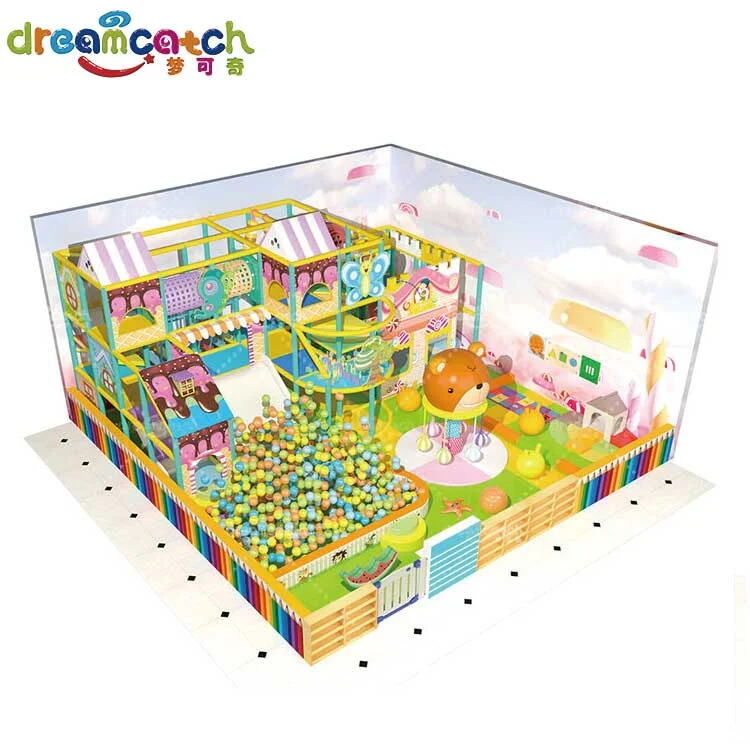
Основни тенденции в дизайна на вътрешни детски площадки за търговски центрове през 2026 г.
Тематични, вертикални и хибридни зони – стратегии, оптимизирани за търговския пешеходен поток
През 2026 г. вътрешните детски площадки, разположени в търговски центрове, ще преминат от общи игрища към имерсивни, насочени към разказ пространства — например омагьосани гори, междупланетни аванпостове или подводни градове, — които насърчават емоционална връзка и социално споделяне. Вертикалният дизайн вече не е по избор: многоетажните конструкции (често с три до четири нива) максимизират ангажираността в рамките на ограничения търговски периметър, увеличавайки полезната игрищна площ до 200 % без разширение на застроената площ. Хибридните зони — стратегически вградени по коридорите с високо движение — комбинират физическо катерене с анимации, активирани чрез допълнителна реалност (AR), цифрови лов на съкровища или таблици с резултати в реално време. Такива разположения превръщат случайни посетители на търговския център в ангажирани посетители, увеличавайки средното време на престой с 17 минути на посещение и подпомагайки операторите да постигнат двете си цели — повишена честота на семейните посещения и удължено време на престой.
Физико-цифрова интеграция и сензорни зони като високоангажирани анкерни точки в търговските центрове
Физико-цифровите преживявания — при които физическото взаимодействие активира цифров обратен връзка — сега са централни за конкурентната диференциация. Стени за катерене с усещане на допир, които проектират анимирани същества, звукови пейзажи, активирани от движение, в тунелни плъзгачки, и гривни с RFID-технология, които отчитат постиженията в различните зони, задълбочават ангажираността и едновременно с това генерират ценни поведенчески данни. Равно важни са и специализираните сензорни зони, проектирани в сътрудничество с професионални терапевти и защитници на невроразнообразието. Тези зони включват регулируемо LED осветление, стени с текстурни панели, акустични заглушители и тежки седалки и служат като инклюзивни опорни точки — не като допълнителни елементи — и приветстват деца от целия спектър на развитие. Според Ръководството за инклюзивност в търговията от Националната асоциация за аутизъм (2025 г.), търговските центрове със сертифицирани сензорно приятелски игрища регистрират с 32 % по-висок брой повторни посещения от семейства и по-силна обществена благосклонност.
Модулни, устойчиви системи, които осигуряват мащабируемост и бъдеща устойчивост Дизайн на вътрешна детска площадка за търговски център Пространства
Модулността е основният стълб на финансовата и оперативната устойчивост. Водещите системи — като тези, сертифицирани според стандарти ASTM F1487-23 и EN 1176 — използват стандартизирани, неизискващи инструменти съединители, които позволяват пренареждане на компоновката всяка тримесечна период с минимално просто стояне или трудозатрати. Устойчивостта е вградена, а не добавена отвън: облицовка от рециклиран HDPE (произведена от океанско пластмасово отпадъчно вещество след употреба от крайния потребител), полиуретанова пяна на базата на растителни продукти и подови настилки с ниско съдържание на летливи органични съединения (VOC), изливани на място, намаляват „вградения“ въглероден отпечатък до 40 % спрямо конвенционалните материали. Анализът на жизнения цикъл, проведен в Доклада за търговските детски площадки от 2024 г. на Съвета по зеленото строителство в САЩ, потвърждава, че тези решения намаляват разходите за поддръжка и замяна през десетгодишния период с 18–24 %. Операторите могат да започнат с компактен обект от 300 м² и линейно да разширяват площта до 800 м², когато приходите потвърдят търсенето — това намалява риска от първоначалните инвестиции, без да се жертва дългосрочната адаптивност.
Фактори, определящи разходите при проектирането на вътрешни детски площадки за търговски центрове
Всеки квадратен фут в търговски център носи премия, затова разбирането на факторите, определящи разходите, е съществено за дисциплиниран контрол върху бюджета. Най-значителните разходи произтичат не само от оборудването, а от начина, по който пространствените ограничения формират структурните, механичните и материалните решения.
Пространствени ограничения и вертикално инженерство: интеграция на LED, височина на тавана и многоетажни подредби
Ретрофитът на търговски центрове рядко предлага открити, свободни от колони пространства. За да се осигури привлекателна вертикална игра, дизайнерите трябва да проектират здрави стоманени носещи рамки, закрепени към конструктивните плочи — а не към гипсокартонни стени или подвесни тавани. Постигането на безопасен просвет за мрежи за катерене, тръбни плъзгачки и надземни преходи обикновено изисква минимална височина на тавана от 4,2 метра — което често води до скъпи намалявания на таваните или пренасочване на вентилационните канали. Интегрирането на динамични LED осветителни тела в тези конструкции добавя допълнителна сложност: необходими са специални корпуси за отвеждане на топлината, пътища за клас 2 нисковолтово електропроводно монтажно изпълнение и контролни устройства, одобрени от UL, които трябва да отговарят на изискванията на NFPA 70 (Националния електротехнически кодекс) и на местните изисквания на пожарната инспекция. Обединено, структурното усилване, защитните мрежи и интегрираното осветление представляват 30–40 % от общите разходи за оборудване — което прави ранната структурна оценка най-влиятелното бюджетно решение.
Избор на устойчиви материали: Балансиране между първоначалните инвестиции и стойността през целия жизнен цикъл при подови покрития и облицовки
Изборът на материали директно влияе както върху риска от отговорност, така и върху дългосрочната рентабилност. Стандартните гумени плочки от EPDM може да спестят 20% от първоначалните разходи, но се износват забележимо в зоните с високо натоварване (напр. при кацането след плъзгане, входовете към басейните за топки) след 3–4 години — което води до частични замени и оплаквания от страна на посетителите. Повърхности от уретан или вулканизирана гума, наляти на място, макар и по-скъпи с 15–20% първоначално, запазват способността си за амортизиране на удари (което е критично за съответствие с ASTM F1292) и естетичната си цялост през целия 10-годишен експлоатационен срок. По същия начин HDPE облицовката устойчива на UV избледняване, графити и микробно размножаване далеч по-добре от ламинираната фанера или ПВЦ — което намалява трудозатратите за почистване и честотата на боядисване. Според данни от сравнителното проучване на инсталациите, проведено от Международната асоциация на производителите на играчки и оборудване за игрища (IPEMA), тези издръжливи материали намаляват годишните разходи за поддръжка с 35–50%.
Разпределение на стартовите инвестиции за вътрешни детски игрища в търговски центрове
Разпределение на капитала по мащаб: игралища, отопление, вентилация и климатизация (HVAC), подови покрития за безопасност и инсталация (300–800 м²)
За средно голям вътрешен детски площадка, разположена в търговски център и заемаща площ от 300 до 800 м², общите стартови инвестиции варират от 150 000 до 500 000 щ.д. За играещата конструкция — включително персонализирана тематична обработка, модули за мека игра, мрежи за катерене и интерактивни елементи — се отделят 40–50 % от бюджета. Безопасността на пода струва 15–30 щ.д. на квадратен фут; за големи инсталации се предпочита каучукова настилка, изливана на място, поради непрекъснатите ѝ ръбове и по-високите й класификации за височина на падане. Модернизацията на системите за отопление, вентилация и климатизация (HVAC) — задължителна за осигуряване на качество на въздуха, контрол на влажността и термичен комфорт в затворени зони с висока посещаемост — обикновено изисква инвестиции от 20 000 до 50 000 щ.д. за комерсиални системи, съответстващи на стандарта ASHRAE 62.1. Професионалната инсталация представлява 10–15 % от разходите за оборудване и включва одобрение от инженер, проверка на закотвянето и интегрирана електрическа пусконаладка. Ориентировъчна оценка от 15 до 40 щ.д. на квадратен фут за комплексна доставка („turnkey“) остава надежден показател за мащабиране — но само ако предварително са потвърдени готовността на строителната конструкция и капацитетът на инженерните мрежи.
| Категория на разходите | Типично разпределение (% от общото) | Бележки |
|---|---|---|
| Игрови структури и тематично оформление | 40%–50% | Включва плъзгачки, мрежи за катерене, басейни с топки и модули за мека игра |
| Безопасност на подовото покритие | 10%–15% | Наливно гумено покритие или плочи от пяна; критично за съответствие с изискванията за отговорност |
| Отопление, вентилация и климатизация (HVAC) | 5%–10% | Подобрено качество на въздуха и контрол на температурата, изисквани от правилниците за търговски центрове |
| Монтаж и подготовката на площадката | 10%–15% | Сглобяване, закотвяне и интеграция в електрическата мрежа |
| Технологии и POS системи | 5%–8% | Онлайн резервация, регистрация чрез гривна и софтуер за управление на гости |
Скрити търговски разходи: условия на наем, зонинг разрешения, застраховка за гражданска отговорност и оперативен персонал
Освен хардуера скритите търговски разходи често определят жизнеспособността. Договорите за наем в престижни търговски центрове често изискват депозит за осигуряване, равен на три до шест месечни наемни плащания, както и такси за управление и поддръжка на общи зони (CAM), които в средно съставляват 8–12 % от брутния приход. Одобренията на общинските органи за зониране, инспекциите на пожарната служба и оценките на достъпността (според Стандартите за достъпен дизайн на Американския закон за правата на хората с увреждания – ADA) добавят разходи от 5 000 до 20 000 щатски долара за разрешителни и консултантски услуги. Премиите по застраховката за гражданска отговорност започват от 8 000 щатски долара годишно за обекти с площ под 500 м², но рязко нарастват над този праг — особено при наличието на етажни конструкции или водни елементи — достигайки над 25 000 щатски долара за всеобхватно покритие. Персоналът е най-голямата повтаряща се разходна статия: дори минимален екип от двама пълнослужебни ръководители и трима частично заети персонални служители (с задължителни сертификати по CPR/първа помощ и проверки на криминалното досие) води до годишни разходи за заплати, данъци и социални обезпечения в размер от 120 000 до 180 000 щатски долара, преди да се включат разходите за обучение, униформи или софтуер за планиране на работното време. Игнорирането на тези разходни статии при прогнозирането за първата година е основната причина за ранен оперативен дефицит.
Създаване на дългосрочна стойност за акционерите чрез стратегическо бюджетиране и оперативно проектиране
Стратегическото бюджетиране разглежда детския площадка не като капиталистични разходи, а като платформа за генериране на приходи с дефинирани икономически показатели за целия й жизнен цикъл. Приоритизирането на издръжливи материали, енергоспестяващи климатични инсталации (с умни термостати и вентилация, реагираща на присъствието на хора), както и модулни компоненти намалява общите разходи за притежание (TCO) за 10 години до 30 %, според Проучването на икономиката на обекти от 2025 г. на IPEMA. Оперативно погледнато, моделите за персонализирано разпределение на персонала по зони — които използват данни в реално време за пешеходния трафик, за да коригират съотношението на ръководители по време на часовете с най-голямо натоварване — подобряват производителността на труда с 22 %. Диверсификацията на приходите е задължителна: концесионни кафенета (с менюта, безопасни за деца, и седалки за родители в специални лаундж зони), членски планове с различни нива, програми за училищни почивки и пакети за рожден ден с цифрови фотосесии и фирмена сувенирна продукция съвместно осигуряват 45–60 % от брутните приходи в местоположения с висока ефективност. Когато тези приходни потоци се моделират, финансираха и осигуряват с персонал още от първия ден — и са синхронизирани с маркетинговите календари на търговските центрове — типичният период за възстановяване на инвестициите се съкращава до 18–24 месеца. В крайна сметка най-успешните вътрешни детски площадки в търговски центрове са тези, които са проектирани като адаптивни, инклюзивни и финансово устойчиви „анкери“, а не като временни атракции.
Готови ли сте да максимизирате ROI от вашата търговска центърна детска площадка с персонализирани OEM вътрешни игрища?
Персонализираното вътрешно игрищно оборудване е основата на печелившото развитие на семейни развлекателни центрове (FEC) в търговски центрове — никакъв идеален бизнес план не може да компенсира загубите, причинени от неподходящо, несъответстващо на нормативните изисквания или ниско качество игрищно оборудване. Като адаптирате тематичното оформление, материали, одобрени за безопасност, и модулната конструкция към архитектурния план на вашия търговски център, местните изисквания за безопасност и целевата позиция спрямо клиентите, ще постигнете устойчив ръст на посетителите и предвидими, икономически ефективни дългосрочни доходи.
За персонализирани детски площадки, сертифицирани според ASTM и EN1176, адаптирани към вашия проект за развлекателен център в търговски център (FEC), или за източник на пълна комплексна услуга „под ключ“ – проектиране, производство и инсталация, каквато се предлага от Dream Catch, сътрудничете с производител на детски площадки по поръчка (OEM), чийто опит в доставката на глобални проекти се простира над десетилетия. Над 30-годишният опит на Dream Catch в отрасъла обхваща производството на персонализирани тематични решения, модулно производство на меки игри и пълно комплексно строителство на FEC проекти, като са реализирани повече от 800 успешни проекта за детски площадки в Близкия изток, Северна Америка, Европа и Югоизточна Азия. Свържете се с нас още днес за безплатна консултация по вашия проект без задължения, за да усъвършенствате дизайна на детската площадка в търговския център, бюджетния план и схемата за набавка на оборудване.
Често задавани въпроси
Какви са хибридните зони в закрити детски площадки?
Хибридните зони комбинират физически елементи за игра, като конструкции за катерене, с цифрови функции, например анимации, активирани чрез допълнителна реалност (AR), или търсене на скрити предмети. Тези зони помагат да се превърнат случайни посетители в ангажирани участници, което увеличава времето, прекарано в помещението, и броя на взаимодействията.
Защо сензорните зони са задължителни в търговските центрове?
Сензорните зони създават инклюзивни игрища, които отговарят на нуждите на децата с различни нива на развитие. Тези зони са проектирани с функции като регулируемо осветление и стени с текстурни панели и привличат повече семейства, като насърчават общественото благоволение.
Какво е значението на модулния дизайн в игрищата?
Модулният дизайн позволява лесно преустройство на планировката на игрищата, подпомагайки мащабируемостта и намалявайки простоите. Тази адаптивност помага на операторите ефективно да реагират на променящите се изисквания на клиентите.
Какви са типичните разходи за вътрешни детски игрища в търговски центрове?
Разходите включват предимно играчките и игровите конструкции, безопасността на пода, системите за отопление, вентилация и климатизация (HVAC) и монтажа. В бюджета трябва да се включат и скрити разходи като условията на наемния договор, разрешенията и застраховката.
Как игрищата могат да максимизират възвръщаемостта на инвестициите (ROI) в търговските центрове?
Игровите площадки могат да максимизират възвръщаемостта на инвестициите (ROI), като използват издръжливи материали, включват умни оперативни проекти и предлагат допълнителни приходни потоци, като концесионни точки за кафенета, членства и организиране на събития.
Съдържание
-
Основни тенденции в дизайна на вътрешни детски площадки за търговски центрове през 2026 г.
- Тематични, вертикални и хибридни зони – стратегии, оптимизирани за търговския пешеходен поток
- Физико-цифрова интеграция и сензорни зони като високоангажирани анкерни точки в търговските центрове
- Модулни, устойчиви системи, които осигуряват мащабируемост и бъдеща устойчивост Дизайн на вътрешна детска площадка за търговски център Пространства
- Фактори, определящи разходите при проектирането на вътрешни детски площадки за търговски центрове
- Разпределение на стартовите инвестиции за вътрешни детски игрища в търговски центрове
- Създаване на дългосрочна стойност за акционерите чрез стратегическо бюджетиране и оперативно проектиране
- Готови ли сте да максимизирате ROI от вашата търговска центърна детска площадка с персонализирани OEM вътрешни игрища?
-
Често задавани въпроси
- Какви са хибридните зони в закрити детски площадки?
- Защо сензорните зони са задължителни в търговските центрове?
- Какво е значението на модулния дизайн в игрищата?
- Какви са типичните разходи за вътрешни детски игрища в търговски центрове?
- Как игрищата могат да максимизират възвръщаемостта на инвестициите (ROI) в търговските центрове?