

 EN
EN
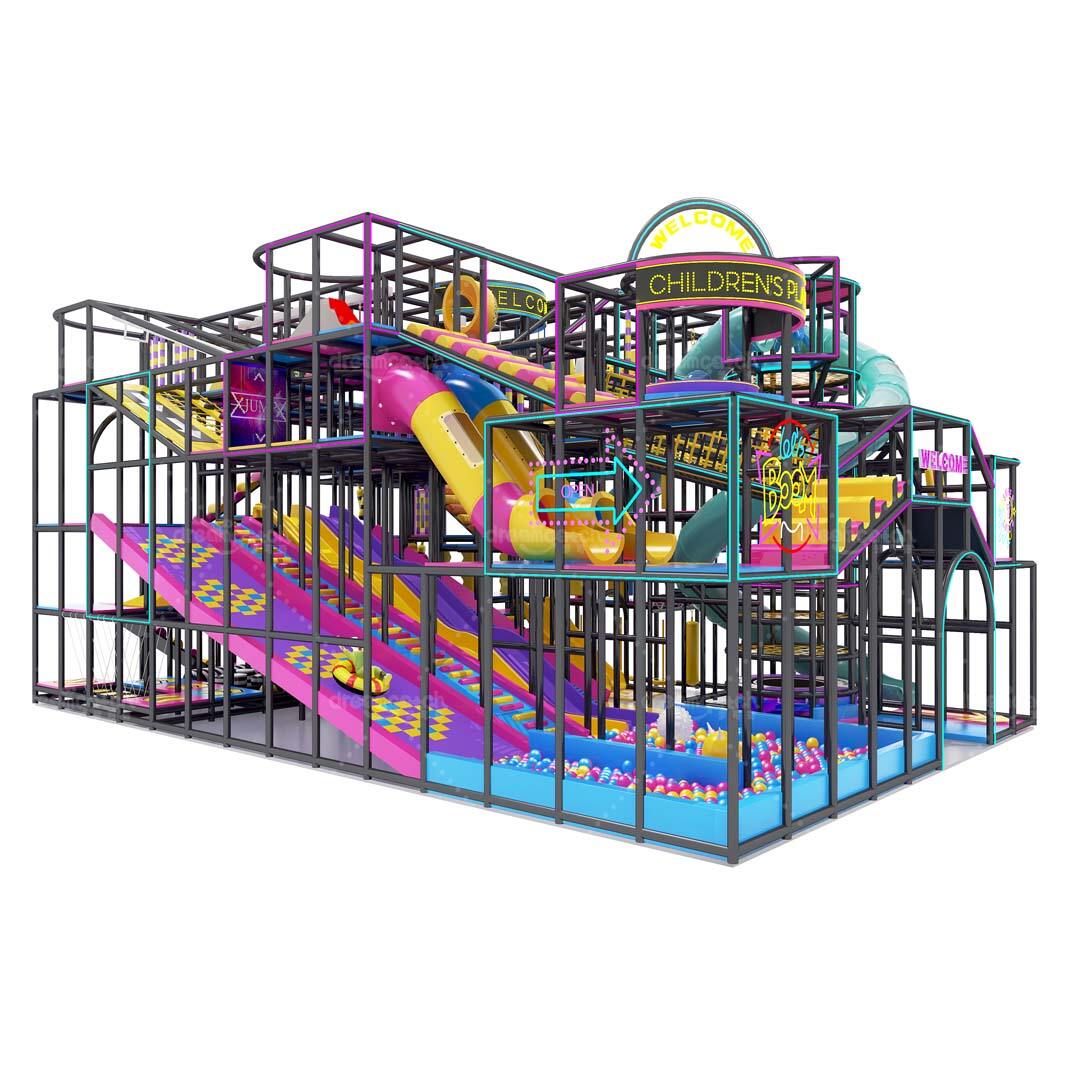
Understanding True ROI for Rope Play Structures
Lifecycle Cost Analysis: Why Low Upfront Price ≠ High ROI
Evaluating a rope play structure’s true return on investment (ROI) requires analyzing total ownership costs—not just purchase price. Parks departments often discover that structures with 15% lower initial costs incur 200% higher maintenance expenses within five years due to material degradation or structural failures. Key factors impacting lifecycle costs include replacement frequency of ropes and connectors, structural integrity under varying weather conditions, safety compliance updates required over time, and labor hours for inspections and repairs.
Data from the National Recreation and Park Association (NRPA) indicates properly specified commercial-grade installations typically deliver 40% lower total costs over a 10-year period compared to budget alternatives.
Data-Driven Benchmarks: 3–5-Year Payback in High-Traffic Public Parks
High-utilization municipal playgrounds demonstrate quantifiable ROI through increased community attraction and reduced ongoing expenditures. Facilities tracking visitation and operational metrics report:
| Metric | Budget Structure | Commercial-Grade Structure |
|---|---|---|
| Annual maintenance cost | $8,200 | $2,900 |
| Resident satisfaction | 68% | 92% |
| Replacement cycle | 4 years | 10+ years |
Municipalities achieving sub-5-year payback periods combine durable construction with programming that drives consistent attendance. A 2023 study of urban parks revealed that premium rope play structures increased adjacent property values by 7–12% within three years, accelerating indirect ROI through tax revenue enhancement.
Material & Structural Durability of Rope Play Structures
The structural integrity of a rope play structure directly determines its lifespan and safety. Frame material choice impacts load capacity and corrosion resistance over time.
Cedar vs. Galvanized Steel Frames: Load Capacity and 10-Year Corrosion Resistance
Cedar wood offers natural decay resistance but has lower load capacity than metal alternatives. Its organic composition requires regular sealing to prevent moisture penetration and structural weakening. Cedar frames typically support lighter loads and may show weathering within 5–7 years without intensive maintenance.
Galvanized steel provides superior strength for high-traffic installations. The zinc coating creates a corrosion barrier, with accelerated aging tests showing less than 5% surface degradation after a decade in normal environments. This material withstands impacts from continuous use while maintaining structural stability. Coastal locations should prioritize galvanized steel due to its salt spray resistance documented in ASTM B117 testing protocols.
Marine-Grade Polypropylene vs. UV-Stabilized Nylon Ropes: Tensile Strength and Fade Resistance
Rope selection balances elasticity needs against environmental stressors. Marine-grade polypropylene maintains flexibility in wet conditions without water absorption. Its hydrophobic properties prevent mildew growth but offer lower tensile strength (approximately 3,500–4,500 psi) than synthetic alternatives.
UV-stabilized nylon ropes resist photodegradation through molecular inhibitors blended during extrusion. Independent testing shows these ropes retain over 85% of original color vibrancy after 10,000 accelerated UV exposure hours. Their higher tensile strength (6,000–7,200 psi) supports dynamic loads from climbing activities, though periodic tension checks remain essential for long-term safety compliance.
Safety Compliance and Certification Standards for Rope Play Structures
ASTM F1487 and EN 1176 Requirements for Rope Bridges, Nets, and Climbing Elements
A safe rope play structure must meet strict safety standards. In North America, compliance with ASTM F1487 is mandatory for public playground equipment; in Europe, EN 1176 governs safety. These standards specify requirements for rope bridges, nets, and climbing elements—including load capacity, entanglement risk mitigation, and spacing guidelines. Rope netting must avoid head entrapment zones, and bridges require secure anchor points and verified load testing. Certification by independent bodies like IPEMA verifies adherence and significantly reduces liability and injury risks.
Designing Age-Appropriate Engagement and Risk Management
Gross Motor Development Metrics: Tailoring Rope Play Structure Complexity by Age Band (3–5 vs. 6–12 Years)
Properly segmenting play zones is critical to maximizing the developmental ROI of a rope play structure. For children aged 3 to 5, gross motor development centers on balance, coordination, and spatial awareness. At this stage, low-height climbing features with wide spacing, gentle slopes, and soft landing surfaces build confidence without overwhelming sensory input. In contrast, children aged 6 to 12 possess more refined motor control and a higher tolerance for uncertainty. Their rope play structure should include complex vertical climbing nets, swinging rope bridges, and multi-level platforms that promote problem-solving and risk assessment. Research confirms that age-tailored complexity reduces injury rates while increasing engagement duration and skill acquisition—ensuring controlled risk-taking fosters resilience within safe physical limits.
FAQ
What factors contribute to the true ROI of rope play structures?
The true ROI of rope play structures involves analyzing total ownership costs, including maintenance, durability, safety compliance, and replacement frequency, alongside community engagement and related benefits like increased nearby property values.
Why are commercial-grade structures often more cost-effective long-term?
Commercial-grade structures typically reduce maintenance costs by 40% over a 10-year period due to their durable materials and superior build quality. They also have longer replacement cycles and better performance in different environments.
What materials provide the best structural durability?
Galvanized steel is excellent for high-load capacity and corrosion resistance, especially in coastal areas. For ropes, UV-stabilized nylon offers high tensile strength and fade resistance, while marine-grade polypropylene is ideal for wet environments.
How do safety and compliance standards affect rope play structures?
Compliance with ASTM F1487 and EN 1176 standards ensures safety, minimizing risks such as entanglement or structural failures. Certification from independent bodies verifies compliance, reducing liability.
What are the safest rope play designs for different age groups?
For children aged 3-5, low-height and wide-spaced climbing features are ideal, while older children (6-12) benefit from complex vertical climbing nets and risk-promoting, multi-level structures tailored for their advanced motor development.
Table of Contents
- Understanding True ROI for Rope Play Structures
- Material & Structural Durability of Rope Play Structures
- Safety Compliance and Certification Standards for Rope Play Structures
- Designing Age-Appropriate Engagement and Risk Management
-
FAQ
- What factors contribute to the true ROI of rope play structures?
- Why are commercial-grade structures often more cost-effective long-term?
- What materials provide the best structural durability?
- How do safety and compliance standards affect rope play structures?
- What are the safest rope play designs for different age groups?