

 EN
EN
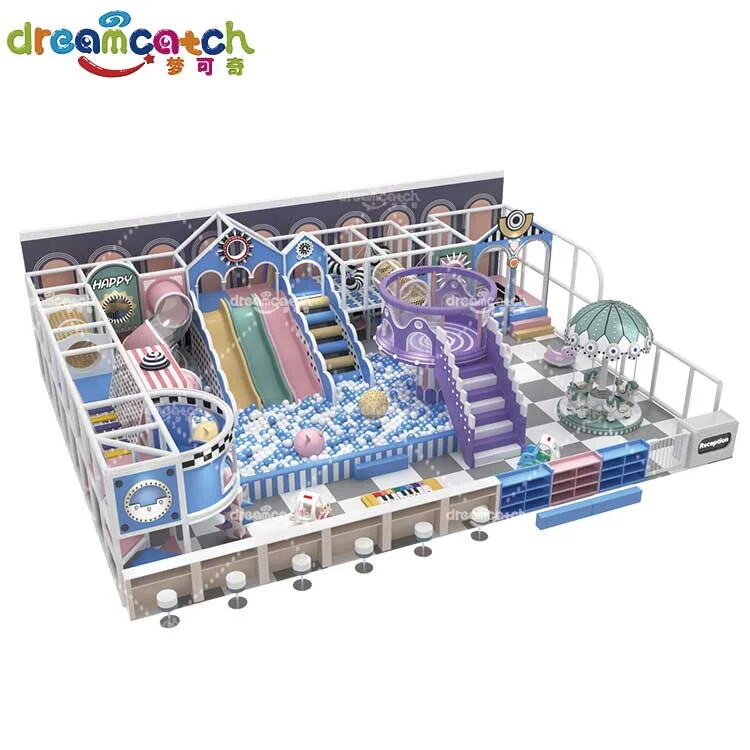
Principis fonamentals del disseny personalitzat de centres d'entreteniment familiar
Unificació de la identitat de marca, narració espacial i flux multi-generacional
Un disseny personalitzat de centre d'entreteniment familiar s’integra de forma fluida amb la identitat de marca, la narració espacial i el flux multi-generacional per crear una experiència coherent i memorable per als visitants. La senyalització, les paletes de colors, les opcions de materials i la ubicació d’atraccions reforcen totes elles la personalitat i la intenció narrativa del centre —ja sigui lúdica, aventurera o arrelada en la comunitat. La narració espacial comença a l’entrada: una porta temàtica estableix el to i les expectatives, mentre que les rutes de circulació intuïtives guien de forma natural les famílies a través de les zones sense embussos ni confusió. El flux multi-generacional assegura que avis, pares i nens trobin espais adaptats als seus nivells d’energia, interessos i necessitats de mobilitat —sense segregació ni concessions. Aquesta superposició intencionada converteix les visites habituals en viatges emocionalment significatius, reforçant la fidelitat i impulsant l’advocacia orgànica.
Equilibra estètica, funcionalitat i escalabilitat operativa des del primer dia
L’excel·lència en disseny dels centres d’entreteniment familiar es troba a la intersecció entre l’impacte visual i la intel·ligència operativa. Una estètica atractiva ha de recolzar —i no entorpir— l’eficiència del personal, l’accés per a manteniment, el compliment de les normes de seguretat i l’adaptabilitat a llarg termini. La planificació inicial prioritza la claredat funcional: els passadissos amplis prop d’atraccions amb molt trànsit eviten la congestió; les línies de visió permeten la supervisió; i la infraestructura modular —com elements de joc reconfigurables o nuclis tecnològics «plug-and-play»— permet actualitzacions sense solució de continuïtat per a programes temporals o expectatives canviantes dels visitants. Aquesta integració proactiva de la flexibilitat al disseny fonamental protegeix la inversió de capital i manté la competitivitat molt més enllà de l’inauguració.
Integració intel·ligent de la tecnologia en el disseny personalitzat de centres d’entreteniment familiar
Sistemes convergents: dispositius portables IoT, personalització mitjançant IA i cartografiat en temps real del recorregut
Els centres d'entreteniment familiar personalitzats més eficaços d'avui dia implementen sistemes tecnològics convergents que treballen de forma coordinada —i no aïllada— per millorar tant l'experiència dels visitants com la capacitat operativa d'anàlisi. Els dispositius portables IoT (per exemple, braçalets amb opció d'adhesió) permeten interaccions adaptades al context: ajusten la dificultat dels jocs en temps real, desbloquegen sorpreses activades per la ubicació o permeten la rescate sense contacte. Els motors d'IA per a la personalització analitzen dades conductuals anonimitzades per recomanar atraccions, optimitzar la distribució de cues i reduir el temps d'espera mitjà fins a un 27 %, segons les comparatives sectorials de l'Associació Internacional de Parcs d'Atraccions i Entreteniment (IAAPA). La cartografiació en temps real del recorregut dels visitants genera mapes tèrmics dinàmics del seu moviment, cosa que permet als operadors ajustar l'assignació de personal, redirigir el flux de visitants o refinar les decisions sobre la distribució espacial basant-se en l'ús real —i no en suposicions—. Conjuntament, aquests sistemes formen un ecosistema sensible on l'espai físic i la intel·ligència digital s'informen contínuament mútuament.
Estratègia de llançament per fases: Priorització de l'experiència dels convidats, la privadesa de les dades i l'adopció per part del personal
La implementació de tecnologia intel·ligent només té èxit quan es fonamenta en la confiança, la formació i una progressió controlada. Un llançament disciplinat en tres fases assegura l'estabilitat i l'acceptació:
- Prova pilot (Mesos 1–3): Llançament de braçalets IoT en una única zona amb protocols de consentiment transparents, alineats amb la COPPA i el GDPR, incloent-hi mecanismes clars d'opt-in/opt-out i divulgacions de privadesa en un llenguatge senzill
- Integració del sistema (Mesos 4–6): Connexió de l'anàlisi intel·ligent artificial amb les plataformes de reserves, de punts de venda i de gestió d'instal·lacions; formació del personal mitjançant mòduls basats en escenaris, centrats en la interpretació de quadres de comandament en temps real i en la resposta a alertes basades en dades
- Implementació completa (A partir del mes 7): Implementació de funcions de personalització a tot el parc amb controls de privadesa per nivells, recolzada per una inversió anual específica en ciberseguretat, alineada amb la referència del Ponemon Institute del 2023 per a espais experiencials de mida mitjana
Aquest enfocament aconsegueix de forma constant una satisfacció superior al 89 % dels convidats en les implantacions pilot, no accelerant la lliurada de funcionalitats, sinó ancorant la innovació en el consentiment ètic, la preparació operativa i el disseny centrat en la persona.
Disseny inclusiu i accessible d’un centre d’entreteniment personalitzat per a famílies
Més enllà de la conformitat amb la Llei d’Americans amb Discapacitats (ADA): zones adaptades als sentits, navegació per a persones neurodivergents i equitat universal en el joc
La veritable inclusió en el disseny personalitzat de centres d'entreteniment familiar va més enllà dels requisits mínims de la Llei d'Americans amb Discapacitats (ADA): integra l'accés com una prioritat creativa i experiencial des del concepte fins a la construcció. Les zones adaptades als sentits disposen d'il·luminació LED regulable, superfícies tractades acústicament per mantenir el soroll ambiental per sota dels 45 decibels i sales tranquil·les riques en estímuls tàctils, amb seients ajustables i temporitzadors visuals. La navegació per a persones neurodivergents es basa en una senyalització coherent i intuïtiva: recorreguts codificats per colors, senyalització basada en pictogrames, transicions previsibles entre zones i reducció al màxim del desordre visual, tot això fruit de la col·laboració amb terapeutes ocupacionals i especialistes en inclusió de l'autisme. L'equitat universal en el joc significa dissenyar experiències en què els nens i nenes de totes les capacitats puguin participar-hi. plegats , a la mateixa profunditat i amb la mateixa capacitat d’acció—ja sigui mitjançant estructures d’escalada accessibles en cadira de rodes amb panells sensorials integrats, interfícies de joc amb descripció auditiva o zones de coregulació que recolzen la regulació emocional sense aïllament. Integrar aquestes estratègies des del principi—guiades pels principis WCAG 2.1 i les directrius actualitzades per al lleure de la U.S. Access Board—assegura que la inclusió no sigui un element afegit, sinó la base de l’experiència de cada visitant.
FAQ
Què és la narració espacial en el disseny de centres d’entreteniment familiar?
La narració espacial fa referència a com els elements de disseny —com les entrades, els recorreguts, els temes i les atraccions— guien i immersen els visitants en una narrativa coherent, creant un recorregut memorable a través de l’espai.
Per què és important el flux multigeneracional als centres d’entreteniment familiar?
El flux multigeneracional assegura que els espais estiguin dissenyats per satisfer les necessitats, interessos i nivells de mobilitat d’avis, pares i fills, permetent que les famílies gaudin d’experiències juntes sense sentir-se segregades.
Com pot millorar la tecnologia els centres d’oci familiar?
Tecnologies com els dispositius portables IoT i la personalització mitjançant intel·ligència artificial poden millorar l’experiència dels visitants optimitzant els temps d’espera a les cues, oferint recomanacions personalitzades, activant interaccions adaptades al context i proporcionant informació valuosa als operadors mitjançant cartografiat en temps real i anàlisi de dades.
Quina és l’estratègia de llançament per fases per a la integració de tecnologia intel·ligent?
El llançament per fases consta de tres passos: proves pilot amb conformitat amb la normativa de protecció de dades, integració de sistemes amb formació en anàlisi de dades i implementació completa amb controls de privadesa i inversió en ciberseguretat, per garantir l’estabilitat i la confiança dels visitants.
Què significa el disseny inclusiu més enllà del compliment de la normativa ADA?
El disseny inclusiu integra zones adaptades als sentits, una navegació neurodiversa i l’equitat universal en el joc, assegurant que els visitants amb qualsevol tipus de capacitat puguin participar plenament en totes les atraccions sense segregació, donant prioritat a l’accessibilitat com un element fonamental del disseny.
El contingut
- Principis fonamentals del disseny personalitzat de centres d'entreteniment familiar
- Integració intel·ligent de la tecnologia en el disseny personalitzat de centres d’entreteniment familiar
- Disseny inclusiu i accessible d’un centre d’entreteniment personalitzat per a famílies
-
FAQ
- Què és la narració espacial en el disseny de centres d’entreteniment familiar?
- Per què és important el flux multigeneracional als centres d’entreteniment familiar?
- Com pot millorar la tecnologia els centres d’oci familiar?
- Quina és l’estratègia de llançament per fases per a la integració de tecnologia intel·ligent?
- Què significa el disseny inclusiu més enllà del compliment de la normativa ADA?