

 EN
EN
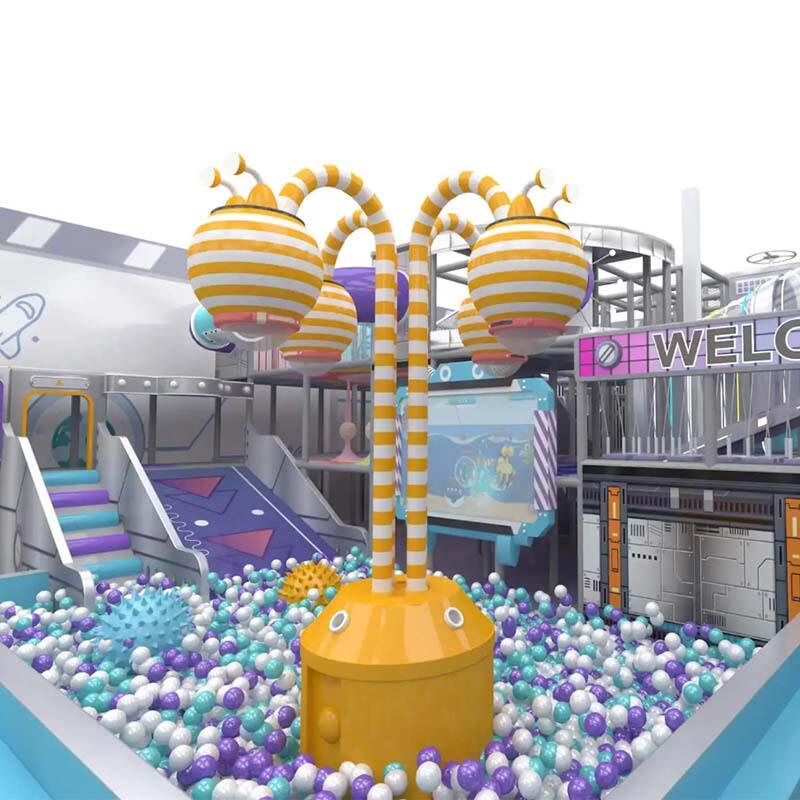
Grundlegende Prinzipien der Gestaltung von Indoor-Spielplatz-Layouts
Wie Flussführung, Sichtlinien und Durchgangsverkehr die kindliche Beteiligung sowie das Vertrauen der Betreuungspersonen beeinflussen
Die Grundlage einer effektiven layout-Design für Indoor-Spielplätze besteht darin, zu verstehen, wie die räumliche Organisation sowohl das Engagement der Kinder als auch das Vertrauen der Betreuungspersonen beeinflusst. Wenn Kinder sich frei durch einen Raum bewegen können, ohne auf Hindernisse oder verwirrende Sackgassen zu stoßen, verbleiben sie länger in explorativem Spiel. Eine strategische Planung der Verkehrsströme stellt sicher, dass Bereiche mit hoher Aktivität nahtlos in ruhigere Zonen übergehen – wodurch Überfüllung verhindert und sensorische Überlastung reduziert wird. Ebenso entscheidend sind freie Sichtlinien, die es Betreuungspersonen ermöglichen, ihre Kinder von einem einzigen Standort aus ungehindert zu beobachten. Eine Raumaufteilung, die transparenten visuellen Zugang priorisiert, stärkt nicht nur das Vertrauen der Eltern, sondern verringert zudem den Aufwand an personeller Aufsicht und verbessert so unmittelbar die betriebliche Effizienz. Diese Wechselbeziehung zwischen Fluss und Sichtbarkeit bestimmt, ob eine Einrichtung sich sicher und intuitiv – oder chaotisch und stressbeladen – anfühlt.
Wissenschaftlich fundierte Gestaltungsregeln: Vermeidung von Sackgassen, Förderung kontinuierlicher Erkundung und Optimierung der Aufsichtssicht
Um eine nachhaltige Beteiligung zu gewährleisten und Störungen zu minimieren, vermeiden erfolgreiche Spielplatzkonzepte physische Sackgassen und schaffen klare, sich kreisförmig schlussfolgernde Verkehrswege. Jede Spielzone sollte logisch mit einer anderen verbunden sein, um nahtlose Übergänge zu ermöglichen, ohne dass Kinder gezwungen wären, durch stark frequentierte Bereiche zurückzukehren. Dieses Modell kontinuierlicher Erkundung reduziert Konflikte und Wartezeiten unter den jungen Nutzern. Die Aufsicht wird besonders effektiv, wenn die Gestaltung unverstellte Sichtlinien von Sitzbereichen, Zugangspunkten und Wegen aus priorisiert. Einfache Gestaltungsentscheidungen – wie etwa niedrige Gerätehöhen am Randbereich und die zentrale Positionierung hoch aufragender Strukturen – können die Sichtbarkeit erheblich verbessern. Einrichtungen mit optimierten Aufsichtssichtlinien benötigen weniger bezahltes Personal zur Gewährleistung der Sicherheit, was langfristig die Personalkosten senkt, ohne das Risikomanagement zu beeinträchtigen – gemäß den Empfehlungen des National Program for Playground Safety.
Strategische Zoneneinteilung für entwicklungswirksame und betrieblich effiziente Gestaltung
Ausrichtung der Spielzonen an entwicklungsbezogenen Bereichen: Grobmotorik, sensorische Verarbeitung, ruhige Rückzugsmöglichkeit und sozial-imaginatives Spiel
Ein effektives Layout-Design für Indoor-Spielplätze beginnt damit, zu erkennen, dass sich Kinder durch vielfältige Spielaktivitäten entwickeln. Bereiche für die Grobmotorik – wie Kletterstrukturen und Rutschen – fördern Kraft und Koordination. Sensomotorische Bereiche integrieren taktil empfindliche Platten, Schallrohre und visuelle Reize, um Kinder mit unterschiedlichen sensorischen Empfindlichkeiten gezielt zu aktivieren. Ruhezonen bieten einen ruhigen Rückzugsort für Kinder, die überstimuliert sind, und verfügen über weiche Sitzgelegenheiten sowie Umgebungen mit gedämpftem Licht. Sozial-interaktive Rollenspielbereiche – etwa Mini-Küchen oder Baustellen – fördern Zusammenarbeit und Sprachentwicklung. Durch die gezielte Zuweisung von Raum für jeden Entwicklungsaspekt stellen Betreiber ausgewogene Entwicklungsresultate sicher. Eine 2023 von der Internationalen Spielvereinigung (International Play Association) durchgeführte Studie ergab, dass Einrichtungen mit klar abgegrenzten Entwicklungszonen im Vergleich zu solchen mit nicht differenzierten Layouts eine um 35 % höhere Rate an Wiederbesuchen verzeichnen. Diese strategische Unterteilung hilft zudem den Betreuungspersonen, Aktivitäten leichter zu finden, die den aktuellen Bedürfnissen ihres Kindes entsprechen, was die allgemeine Zufriedenheit steigert.
Zweckgebundene Zoneneinteilung: Verbesserung von Sicherheit und Aufsicht bei gleichzeitiger Unterstützung von Einnahmequellen (z. B. Integration einer Cafeteria, Aussichtsbereiche, Einzelhandelsnachbarschaften)
Jeder Quadratfuß in einem Indoor-Spielplatz muss sich rechnen. Durch zweckgebundene Zoneneinteilung werden Sicherheits- und Ertragsziele in derselben Fläche integriert. So lässt sich beispielsweise ein Café entlang des Umfangs so positionieren, dass von dort aus alle wesentlichen Spielbereiche gut einzusehen sind: Dadurch können Erwachsene ihre Kinder beaufsichtigen, während sie Erfrischungen genießen – was die durchschnittliche Verweildauer und den Umsatz pro Besuch erhöht. Aussichtsbereiche mit komfortablen Sitzgelegenheiten in der Nähe ruhiger Rückzugsorte fungieren als natürliche Ertragspunkte für den Einzelhandelsverkauf von Markenartikeln oder Snacks. Einzelhandelsflächen können zudem direkt an den Ausgangswegen angeordnet werden, um Impulskäufe zu generieren, ohne den Spielbetrieb zu stören. Dieser Ansatz reduziert den Bedarf an separaten „Elternzonen“, die keinerlei Einnahmen generieren. Eine gut umgesetzte zweckgebundene Raumaufteilung kann die Nebeneinnahmen um 20–30 % steigern, ohne die Aufsichtsabdeckung einzuschränken, die von den Sicherheitsstandards gefordert wird. Entscheidend ist ein Entwurf, bei dem kommerzielle Elemente weder die Sichtverbindungen beeinträchtigen noch visuelle Unordnung erzeugen – ein Grundsatz, den führende Spielplatzberater als zentral für ein nachhaltiges Layout von Indoor-Spielplätzen hervorheben.
Individuelles Layout-Design für Indoor-Spielplätze im Vergleich zu standardisierten Lösungen: Bewertung des langfristigen Wertes
Flexibilität, Skalierbarkeit und Umgestaltbarkeit bei individuellen Layouts im Vergleich zu festen Grundrissen von Standard-Systemen
Das maßgeschneiderte Layoutdesign für Indoor-Spielplätze bietet eine inhärente Anpassungsfähigkeit, die standardisierte Lösungen nicht erreichen können. Im Gegensatz zu festen modularen Systemen lassen sich individuelle Designs neu konfigurieren, um sich wandelnden demografischen Gegebenheiten, Programmierungsanforderungen oder räumlichen Einschränkungen anzupassen. Diese Flexibilität ermöglicht es Betreibern, das Spielerlebnis zu erneuern, ohne umfassende Komplettmodernisierungen vornehmen zu müssen – wodurch die Lebensdauer der Anlagen deutlich verlängert wird. Skalierbare Designs erlauben zudem eine schrittweise Implementierung, sodass die Investition mit dem Umsatzwachstum synchronisiert werden kann, ohne dass die kohärente Gestaltungsthematik beeinträchtigt wird. Modulare Systeme verursachen bei einer Erweiterung häufig betriebliche Reibungsverluste, da meist ein teilweiser Austausch erforderlich ist – etwa aufgrund inkompatibler Verbindungssysteme oder nicht mehr lieferbarer Komponenten. Für Einrichtungen, die zukünftiges Wachstum oder funktionale Neuausrichtungen erwarten, bieten maßgeschneiderte Layouts eine überlegene langfristige Agilität.
ROI-Analyse: Warum standardisierte Lösungen nach dem zweiten Jahr häufig unterdurchschnittlich abschneiden – aufgrund demografischer Verschiebungen und veränderter Nutzungsprofile
Während standardisierte Spielplatzsysteme geringere Anschaffungskosten verursachen (45.000–80.000 USD gegenüber 70.000–120.000 USD für maßgeschneiderte Lösungen), sinkt ihre langfristige Rendite (ROI) häufig nach dem 24-Monats-Markt. Feste Grundrisse haben Schwierigkeiten, sich an veränderte lokale Demografien anzupassen – etwa einen Zustrom von Kleinkindern, die andere Sicherheitskonfigurationen erfordern – oder an sich wandelnde Spiel-Trends (z. B. steigende Nachfrage nach sensorischen Erlebnisbereichen). Betreiber stehen vor kostspieligen Entscheidungen: Sie müssen entweder rückläufige Besucherzahlen hinnehmen oder in Ersatzmodule investieren (15.000–30.000 USD pro Upgrade-Zyklus). Maßgeschneiderte Konzepte bewahren ihre Relevanz durch strategische Neukonfiguration und senken die Gesamtbetriebskosten über die gesamte Nutzungsdauer um 30–40 %, so die Branchenbenchmarks der Spielplatzbranche. Diese Anpassungsfähigkeit wirkt sich unmittelbar auf die Umsatzerhaltung aus: Einrichtungen mit umkonfigurierbaren Grundrissen verzeichnen laut dem Bericht 22 % höhere jährliche Kundenbindung während marktbedingter Schwankungen. Bericht zur Geschäftsführung von Familien-Freizeitzentren 2023 .
Nutzerzentrierter Prozess: Von der Stakeholder-Analyse bis zur raumoptimierten Layout-Realisierung
Einbeziehung des Feedbacks von Eltern, Mitarbeitern und Kindern in die Layout-Prototypenerstellung und -Iteration
Ein erfolgreiches Layoutkonzept für Indoor-Spielplätze stellt das Feedback der Stakeholder während der gesamten Entwicklungsphase in den Mittelpunkt. Die frühzeitige Einbindung von Eltern, Mitarbeitern und Kindern hilft dabei, zentrale Anforderungen wie Sicherheitsbedenken oder bevorzugte Spielaktivitäten zu identifizieren. So reduziert beispielsweise die direkte Umsetzung von Sichtfeldwünschen der Betreuungspersonen in die Prototyp-Tests blinde Flecken. Das betriebliche Feedback der Mitarbeiter zu Flussmustern gewährleistet eine effiziente Aufsicht sowie einen einfachen Zugang für Wartungsarbeiten. Iterative Verbesserungen auf Grundlage beobachteter Verhaltensmuster von Kindern steigern den spielerischen Mehrwert und die Gebrauchstauglichkeit. Dieser kollaborative Ansatz verhindert kostspielige Nachkonstruktionen nach Eröffnung, indem funktionale Lücken proaktiv behoben werden.
Maximierung kleiner oder multifunktionaler Räume durch modulares Layoutdesign und Integration adaptiver Möbel
Das modulare Konzept für Indoor-Spielplatzanlagen verwandelt räumliche Einschränkungen in strategische Vorteile. Flexible Trennwände und bewegliche Spielmodule ermöglichen eine Neukonfiguration der Zonen je nach Gruppengröße oder Art der Veranstaltung. Möbel mit integrierter Aufbewahrung – wie Bänke, die Spielmatten verbergen, oder Tische, die sich in Aktivitätsstationen umwandeln – reduzieren Unordnung in Mehrzweckstätten. Diese Anpassungsfähigkeit verlängert die Nutzungsdauer der Einrichtung, da sie demografische Veränderungen ohne bauliche Eingriffe berücksichtigen kann. Betreiber berichten gemäß der „Facility Management Journal 2024“ von einer um 40 % höheren Raumauslastungseffizienz bei modularen Systemen im Vergleich zu fest installierten Anlagen. Facility Management Journal 2024 .
Häufig gestellte Fragen
Warum sind offene Sichtlinien in Indoor-Spielplätzen wichtig?
Offene Sichtlinien ermöglichen es Betreuungspersonen, Kinder leicht zu überwachen, was die Sicherheit erhöht und den Bedarf an personeller Aufsicht verringert – dies verbessert die betriebliche Effizienz.
Was ist eine Zweckbestimmungszonierung (Dual-Purpose-Zoning) in Spielplätzen?
Die zweckgebundene Zoneneinteilung verbindet Sicherheits- und Ertragsziele, indem sie die Aufsicht durch Eltern erleichtert und gleichzeitig Annehmlichkeiten wie Cafés oder Einzelhandelsbereiche einbezieht, was die Einnahmen steigert.
Wie unterscheidet sich ein maßgeschneiderter Spielplatzentwurf von standardisierten Lösungen?
Maßgeschneiderte Entwürfe bieten eine höhere Anpassungsfähigkeit und Skalierbarkeit, wodurch Modifikationen im Laufe der Zeit einfacher vorgenommen werden können; dies führt zu langfristigen Kosteneinsparungen und einer besseren Kapitalrendite (ROI) im Vergleich zu standardisierten Systemen.
Wie optimiert ein modulares Design kleine Flächen?
Modulare Designs nutzen adaptive Möbel und flexible Trennwände, die eine Neukonfiguration für unterschiedliche Anforderungen ermöglichen und die Raumausnutzung um 40 % verbessern.
Inhaltsverzeichnis
- Grundlegende Prinzipien der Gestaltung von Indoor-Spielplatz-Layouts
-
Strategische Zoneneinteilung für entwicklungswirksame und betrieblich effiziente Gestaltung
- Ausrichtung der Spielzonen an entwicklungsbezogenen Bereichen: Grobmotorik, sensorische Verarbeitung, ruhige Rückzugsmöglichkeit und sozial-imaginatives Spiel
- Zweckgebundene Zoneneinteilung: Verbesserung von Sicherheit und Aufsicht bei gleichzeitiger Unterstützung von Einnahmequellen (z. B. Integration einer Cafeteria, Aussichtsbereiche, Einzelhandelsnachbarschaften)
-
Individuelles Layout-Design für Indoor-Spielplätze im Vergleich zu standardisierten Lösungen: Bewertung des langfristigen Wertes
- Flexibilität, Skalierbarkeit und Umgestaltbarkeit bei individuellen Layouts im Vergleich zu festen Grundrissen von Standard-Systemen
- ROI-Analyse: Warum standardisierte Lösungen nach dem zweiten Jahr häufig unterdurchschnittlich abschneiden – aufgrund demografischer Verschiebungen und veränderter Nutzungsprofile
- Nutzerzentrierter Prozess: Von der Stakeholder-Analyse bis zur raumoptimierten Layout-Realisierung
- Häufig gestellte Fragen