

 EN
EN
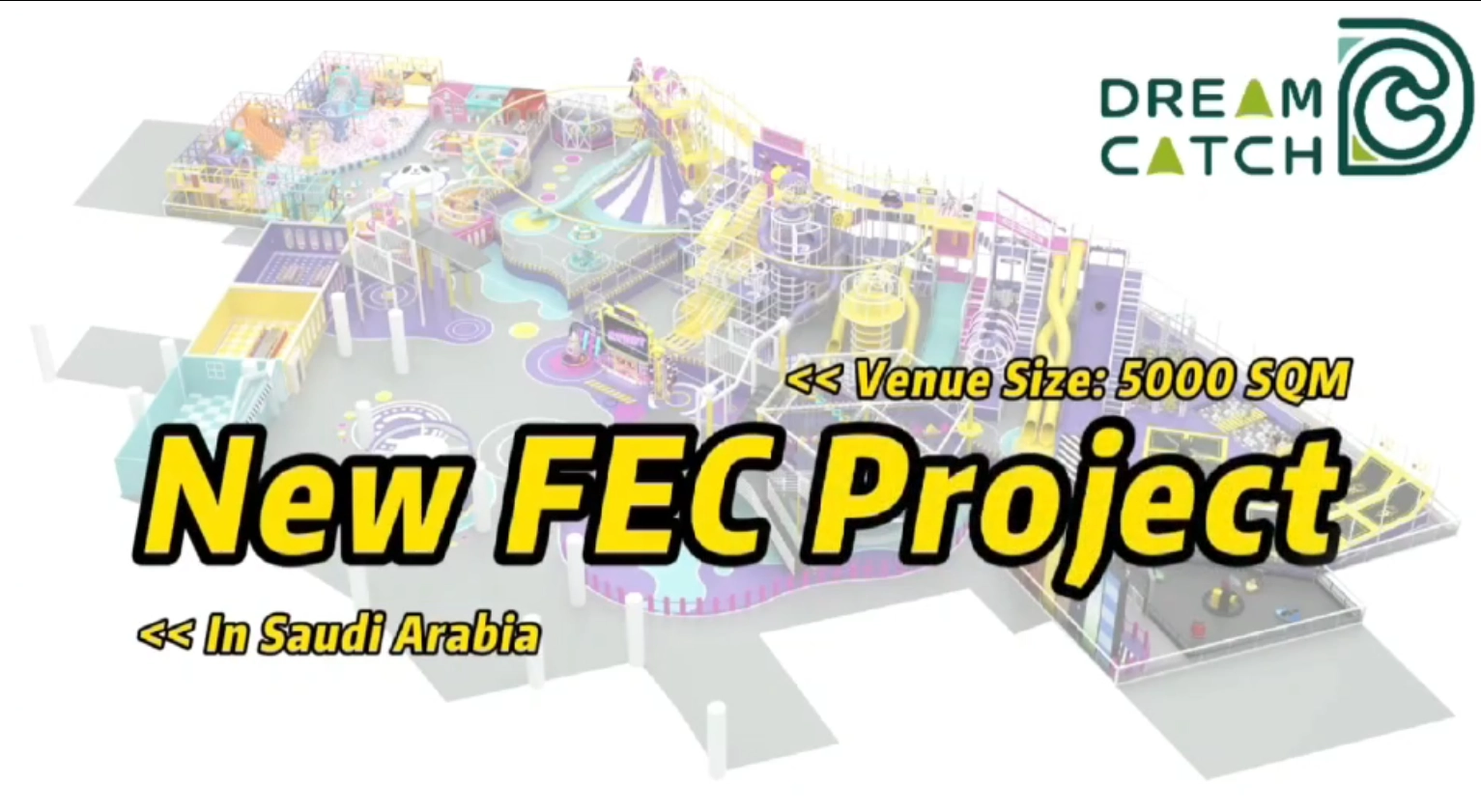
A commercial family entertainment center manufacturer operates in a complex and highly competitive industry that demands expertise across multiple domains simultaneously. These businesses must balance operational efficiency, regulatory compliance, customer safety, financial sustainability, and market differentiation while managing supply chain disruptions and evolving consumer expectations. The challenges faced by a commercial family entertainment center manufacturer today extend far beyond traditional manufacturing concerns, encompassing site-specific customization, installation logistics, staffing training, and long-term maintenance support. Understanding these multifaceted obstacles is essential for anyone involved in this sector, whether as a manufacturer, investor, operator, or industry observer.
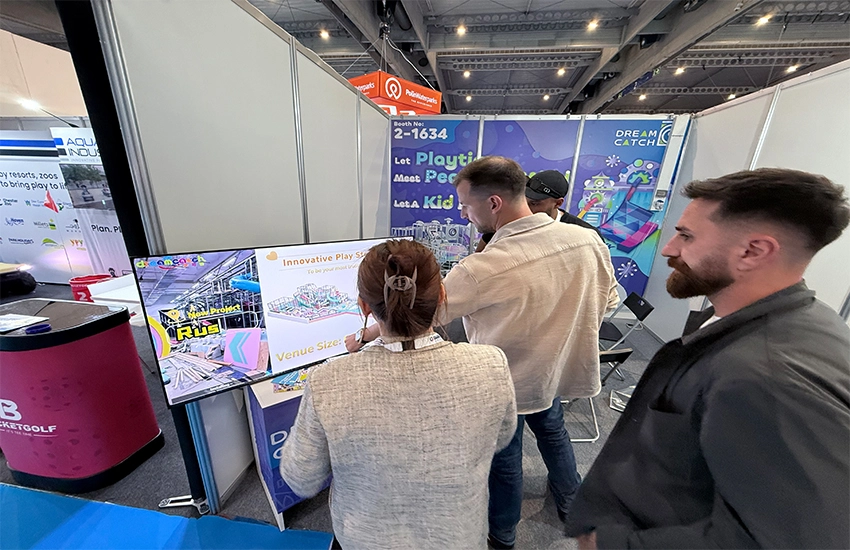
The landscape for any commercial family entertainment center manufacturer has shifted dramatically over the past decade. Rising construction costs, stringent safety regulations, technological advancement requirements, and changing demographic preferences have created a volatile environment where margins compress and innovation demands intensify. A commercial family entertainment center manufacturer must now invest heavily in research and development to stay relevant while simultaneously managing the inherent risks of a capital-intensive, project-based business model that operates in multiple jurisdictions with varying codes and standards.
Capital Investment and Financial Constraints
Significant Upfront Manufacturing and Design Costs
Every commercial family entertainment center manufacturer confronts substantial capital barriers before generating revenue. Design, prototyping, equipment acquisition, facility buildout, and workforce training require millions in investment before a single unit ships. A commercial family entertainment center manufacturer must secure financing, manage cash flow across long project cycles, and absorb costs during periods of market slowdown. The financial pressure on a commercial family entertainment center manufacturer intensifies when clients delay payments, cancel orders, or negotiate extended payment terms, forcing manufacturers to maintain expensive inventory and tied-up working capital indefinitely.
Pricing Pressure and Margin Erosion
A commercial family entertainment center manufacturer faces relentless pressure from operators seeking to minimize capital expenditure to improve their return on investment. Competitive bidding, commoditization of component parts, and the emergence of lower-cost regional competitors compress margins year after year. A commercial family entertainment center manufacturer cannot simply raise prices without losing contracts, yet input costs for materials, labor, and compliance continue climbing. This squeeze forces a commercial family entertainment center manufacturer to either accept thinner margins or risk losing market share entirely, creating an unsustainable cycle that threatens long-term viability.
Regulatory Compliance and Safety Requirements
Complex and Evolving Safety Standards
A commercial family entertainment center manufacturer must navigate a labyrinth of safety regulations that vary by geography, ride type, and age group served. ASTM standards, CPSIA requirements, ADA accessibility mandates, and local building codes all impose design, material, and operational constraints on what a commercial family entertainment center manufacturer can produce. These standards change regularly, forcing manufacturers to continuously update designs and conduct new testing protocols. A commercial family entertainment center manufacturer that fails to maintain compliance faces legal liability, project rejections, and reputational damage that can devastate business prospects.
Certification, Testing, and Liability Exposure
Obtaining proper certifications for entertainment equipment demands extensive third-party testing, documentation, and validation that extends project timelines significantly. A commercial family entertainment center manufacturer must budget for independent laboratory testing, maintain detailed compliance records, and carry substantial liability insurance. Should an incident occur at a facility built by a commercial family entertainment center manufacturer, legal exposure can be severe, requiring expensive litigation defense regardless of culpability. This constant liability threat compels a commercial family entertainment center manufacturer to over-engineer solutions and maintain defensive documentation practices that increase operational costs.
Supply Chain Disruption and Production Challenges
Raw Material Sourcing and Availability
A commercial family entertainment center manufacturer depends on reliable suppliers for specialized materials, mechanical components, electronic systems, and safety equipment. Global supply chain disruptions have created shortages and price volatility that make forecasting and procurement planning extremely difficult for manufacturers in this space. A commercial family entertainment center manufacturer cannot simply substitute materials without extensive retesting and recertification, creating inflexibility when preferred suppliers cannot deliver. Lead times have extended dramatically, forcing a commercial family entertainment center manufacturer to carry higher inventory levels or risk project delays that result in contract penalties and damaged client relationships.
Skilled Workforce Availability and Training
Finding and retaining skilled workers in specialized manufacturing disciplines has become increasingly difficult for any commercial family entertainment center manufacturer. Welders, fabricators, software engineers, and installation technicians with experience in entertainment equipment are scarce, driving up labor costs significantly. A commercial family entertainment center manufacturer must invest in apprenticeship programs, ongoing training, and competitive compensation to build reliable teams. When key personnel leave, the institutional knowledge and project continuity suffer, potentially leading to quality issues and timeline delays that damage a commercial family entertainment center manufacturer's reputation and profitability.
Market Dynamics and Customer Expectations
Rapid Technology Integration and Innovation Demands
Today's consumers and operators expect entertainment centers to feature cutting-edge technology, interactive experiences, and digital integration that rival home entertainment systems. A commercial family entertainment center manufacturer must constantly invest in virtual reality systems, augmented reality experiences, mobile app connectivity, and data analytics capabilities to remain competitive. These technological demands require partnerships with software developers, hardware specialists, and IT experts who command premium compensation. A commercial family entertainment center manufacturer that fails to innovate quickly enough risks being perceived as outdated, losing contracts to competitors who offer newer experiences and capabilities.
Customization Complexity and Project Management
Each facility layout is unique, requiring a commercial family entertainment center manufacturer to deliver custom-designed solutions rather than standardized products. This site-specific customization increases engineering complexity, extends project timelines, and raises the risk of errors and rework. A commercial family entertainment center manufacturer must maintain specialized design teams, manage complex multi-disciplinary projects, and coordinate seamlessly with architects, contractors, and site-specific systems. When clients make changes or modifications during construction, a commercial family entertainment center manufacturer bears the burden of accommodating revisions while protecting profitability, often resulting in compressed schedules and stretched resources.
FAQ
What specific regulatory standards must a commercial family entertainment center manufacturer meet?
A commercial family entertainment center manufacturer must comply with ASTM F24 standards for amusement rides and devices, CPSIA requirements for consumer product safety, ADA accessibility guidelines, local building codes, electrical standards, and fire safety regulations. Each jurisdiction may impose additional requirements, making it essential that a commercial family entertainment center manufacturer maintain expertise across multiple regulatory domains or partner with compliance specialists to ensure every facility meets all applicable standards.
How do supply chain issues specifically impact a commercial family entertainment center manufacturer?
Supply chain disruptions directly threaten project timelines and profitability for a commercial family entertainment center manufacturer. When specialized components become unavailable or lead times extend, a commercial family entertainment center manufacturer cannot substitute materials without extensive recertification. This inflexibility forces manufacturers to either delay projects or absorb increased costs, making supply chain management a critical strategic challenge for any commercial family entertainment center manufacturer operating in today's volatile environment.
Why is workforce retention so critical for a commercial family entertainment center manufacturer?
A commercial family entertainment center manufacturer relies on specialized skilled workers whose expertise cannot be quickly replaced. Experienced fabricators, engineers, and technicians represent significant institutional knowledge and project continuity. When a commercial family entertainment center manufacturer loses key personnel, quality suffers, timelines slip, and costs increase. Investing in competitive compensation, training programs, and positive workplace culture is essential for any commercial family entertainment center manufacturer seeking to maintain operational excellence and profitability in this competitive industry.