

 EN
EN
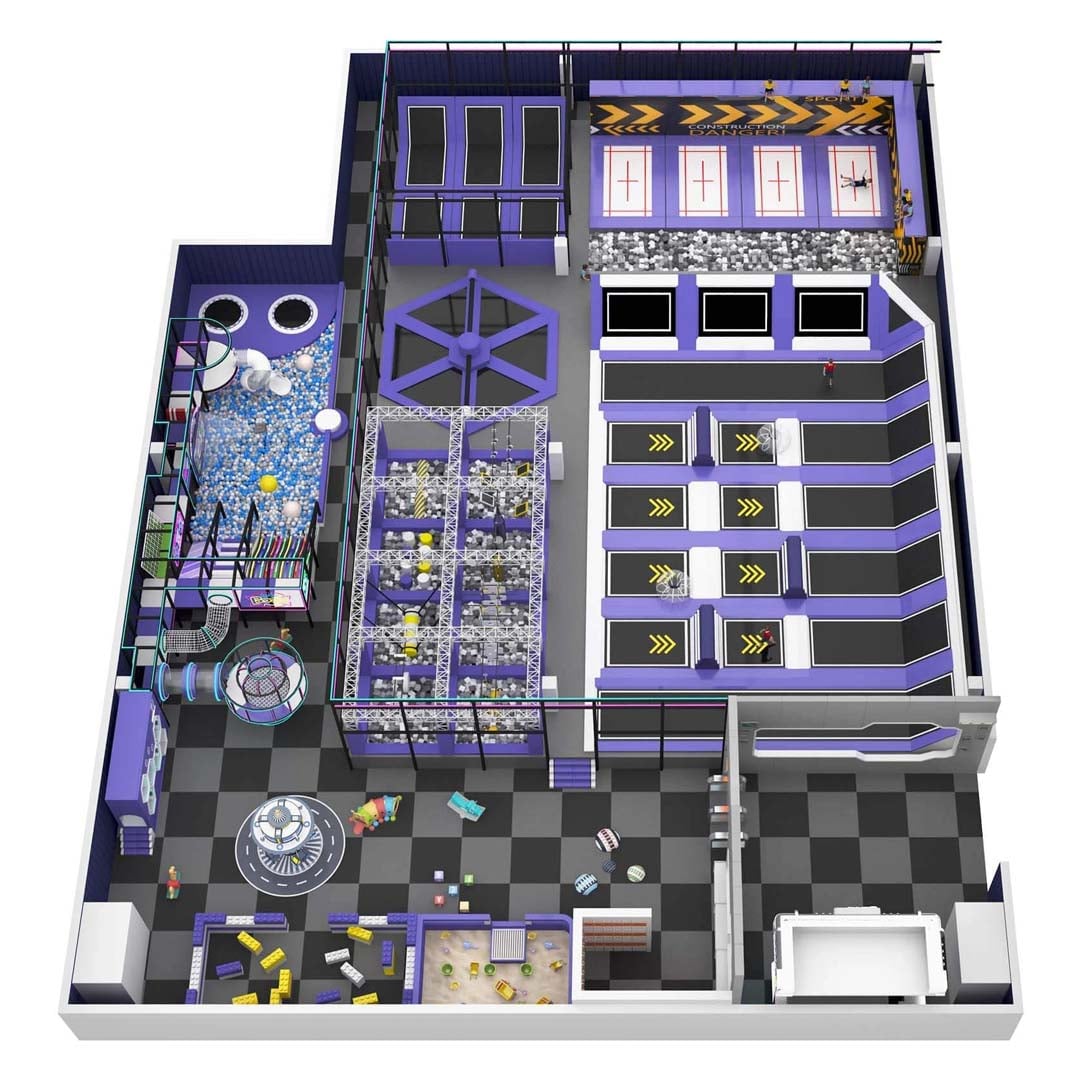
Investing in kids soft play equipment represents a significant capital commitment for entertainment facilities, childcare centers, and recreation businesses. Understanding how to maximize return on investment is essential for long-term profitability and sustainable growth. The financial success of kids soft play equipment installations depends on multiple interconnected factors, including proper facility layout, operational efficiency, pricing strategy, and customer retention initiatives. Many facility operators overlook critical optimization opportunities that directly impact the revenue generated from their kids soft play equipment investments. This comprehensive guide explores proven strategies for extracting maximum value from kids soft play equipment installations while maintaining safety, customer satisfaction, and operational excellence.
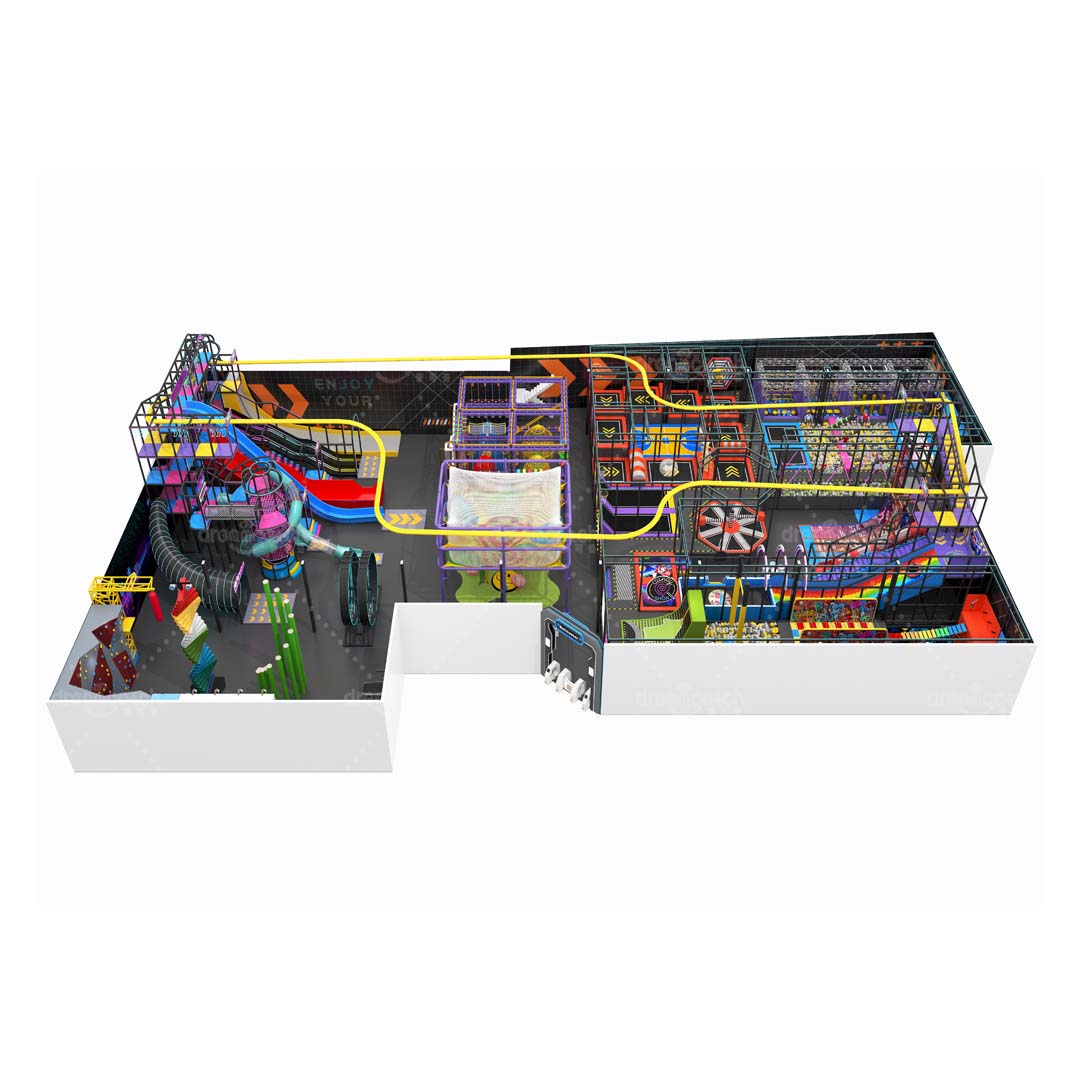
The initial decision to invest in kids soft play equipment should be guided by comprehensive market analysis and realistic financial projections. Successful operators understand that maximizing ROI from kids soft play equipment extends far beyond the initial purchase. Strategic operational decisions, thoughtful facility design, and deliberate revenue enhancement strategies collectively determine whether your kids soft play equipment investment generates exceptional returns or merely breaks even. By implementing evidence-based practices across all operational dimensions, facility managers can substantially increase profitability while creating exceptional experiences that build loyal customer relationships.
Strategic Facility Design and Space Optimization
Creating Efficient Equipment Layouts
The physical arrangement of kids soft play equipment significantly influences visitor flow, capacity utilization, and revenue generation capacity. Well-designed layouts maximize the usable play area while minimizing wasted floor space and creating natural traffic patterns that enhance the customer experience. Kids soft play equipment should be organized by age groups and skill levels, allowing families to navigate efficiently and reducing supervision challenges. Strategic zoning separates younger children from older, more active players, which reduces safety incidents and improves parental confidence in your facility. Efficient space utilization ensures that every square foot of your facility contributes to revenue generation while kids soft play equipment remains appropriately spaced for safety and comfort.
Integrating Complementary Revenue Streams
Modern facilities maximize ROI from kids soft play equipment by integrating complementary services within the same physical space. Birthday party hosting, special events, membership programs, and food service operations can substantially amplify revenue without requiring additional facility square footage. Kids soft play equipment becomes the anchor attraction that drives traffic for secondary revenue activities. Strategic placement of party areas, concession stands, and lounge seating near kids soft play equipment encourages higher average spending per visitor. Facilities that treat kids soft play equipment as a platform for multiple revenue streams typically achieve ROI timelines significantly shorter than those relying solely on pay-per-play models.
Operational Excellence and Facility Management
Maintenance Standards and Equipment Longevity
Protecting your kids soft play equipment investment requires rigorous maintenance protocols and preventive care schedules. Well-maintained equipment operates reliably, reduces unexpected downtime, and extends the productive lifespan far beyond minimum manufacturer specifications. Facility managers who implement daily cleaning routines, regular inspections, and proactive component replacement preserve equipment functionality and maintain hygiene standards that directly impact customer satisfaction and repeat visits. Kids soft play equipment that appears worn, dirty, or unsafe drives customers to competing facilities, regardless of overall concept appeal. Investment in maintenance personnel, cleaning supplies, and preventive servicing should be viewed as essential operational expenses that directly protect the larger capital investment in kids soft play equipment infrastructure.
Capacity Management and Utilization Optimization
Maximizing ROI from kids soft play equipment requires deliberate strategies for managing peak demand periods and maintaining consistent utilization during slower hours. Surge pricing during high-demand times, membership discounts for off-peak visits, and special promotions for traditionally slow periods help distribute visitor volume and generate revenue across full operating hours. Kids soft play equipment utilization rates directly correlate with profitability, making capacity optimization a critical operational focus. Analyzing visitor traffic patterns, understanding seasonal variations, and adjusting pricing and promotional strategies accordingly ensures that kids soft play equipment facilities operate at profitable capacity levels year-round. Facilities that achieve 60 to 70 percent average capacity utilization typically realize substantially stronger financial performance than those accepting highly variable utilization patterns.
Revenue Optimization and Pricing Strategy
Dynamic Pricing and Service Tiering
Sophisticated revenue management from kids soft play equipment requires strategic pricing that reflects demand patterns, facility capacity, and competitive positioning. Variable pricing models that charge premium rates during peak hours, weekend periods, and special events while offering discounted rates during off-peak times maximize total revenue without sacrificing volume. Kids soft play equipment facilities should offer multiple service tiers, including pay-per-visit options, day passes, monthly memberships, and annual family plans that serve different customer segments. Premium memberships that include unlimited visits, reserved party areas, and priority access generate predictable recurring revenue that stabilizes cash flow and improves financial forecasting. Careful pricing analysis ensures that kids soft play equipment investment generates optimal revenue from each customer segment.
Ancillary Services and Premium Offerings
Successful facility operators recognize that kids soft play equipment represents only one component of a comprehensive entertainment and service offering. Birthday party packages, extended supervision services, photography services, themed experiences, and special programming create additional revenue opportunities beyond basic facility admission. Premium add-ons targeting affluent customer segments can substantially increase average revenue per visitor without requiring additional kids soft play equipment investment. Facilities that develop robust ancillary service offerings alongside core kids soft play equipment experiences typically achieve significantly higher profitability and customer lifetime value compared to facilities offering basic pay-per-play models. Strategic bundling of services encourages higher total spending and improves customer satisfaction by delivering comprehensive solutions for family entertainment needs.
Customer Acquisition and Retention Strategies
Building Loyalty and Repeat Visitation
Long-term ROI from kids soft play equipment depends critically on converting one-time visitors into loyal, repeat customers who generate predictable recurring revenue. Loyalty programs, membership benefits, and personalized customer recognition create psychological connections that drive repeat visits and increase customer lifetime value. Kids soft play equipment facilities should implement referral programs that incentivize existing customers to recommend the facility to friends and family, effectively turning satisfied customers into marketing channels. Data collection and analysis enable facility operators to understand customer preferences, identify high-value segments, and tailor marketing efforts accordingly. Facilities that prioritize customer retention typically achieve 50 to 60 percent higher profitability compared to those focused primarily on acquiring new customers.
Marketing and Community Engagement
Effective marketing amplifies the return on kids soft play equipment investments by maintaining strong visibility and positioning within target communities. Social media presence, local partnerships, school and daycare relationships, and community event sponsorships create multiple awareness channels that drive traffic to kids soft play equipment facilities. Seasonal promotions aligned with school calendars, holiday periods, and special occasions capitalize on natural demand fluctuations. Kids soft play equipment facility success increasingly depends on digital marketing sophistication, online reputation management, and strategic community engagement that builds brand awareness and drives qualified visitor traffic. Consistent investment in customer acquisition marketing ensures that kids soft play equipment capacity utilization remains strong throughout the year.
FAQ
What is the typical payback period for kids soft play equipment investments?
The payback period for kids soft play equipment typically ranges from two to four years depending on facility size, location, pricing strategy, and operational efficiency. High-traffic locations with strong membership bases and robust ancillary revenue streams often achieve payback within 18 to 24 months. Well-managed kids soft play equipment facilities that implement strong pricing strategies, maintain high capacity utilization, and develop comprehensive service offerings can realize profitability much faster than industry averages. Location quality, initial capital investment size, and local competition significantly influence payback timelines for kids soft play equipment installations.
How much revenue can a kids soft play equipment facility realistically generate?
Annual revenue from kids soft play equipment facilities varies substantially based on facility size, operational model, and market positioning. Small facilities might generate $100,000 to $300,000 annually, while larger installations in premium locations can exceed $1 million in combined admission and ancillary revenue. Membership-heavy models tend to generate more predictable revenue streams, while pay-per-visit models can achieve higher per-transaction rates but may experience greater revenue volatility. Facilities offering comprehensive birthday party services, special programming, and premium memberships typically maximize revenue from their kids soft play equipment investments.
What factors most significantly impact kids soft play equipment ROI?
Location quality, facility size, pricing strategy, and operational efficiency represent the four most critical factors influencing kids soft play equipment ROI. High-traffic locations in affluent communities typically support premium pricing and higher capacity utilization rates. Facility operators who implement comprehensive marketing programs, maintain strong customer relationships, and develop robust ancillary revenue streams consistently outperform competitors. Investment in staff training, equipment maintenance, and customer service excellence directly correlates with repeat visit rates and profitability from kids soft play equipment installations.