

 EN
EN
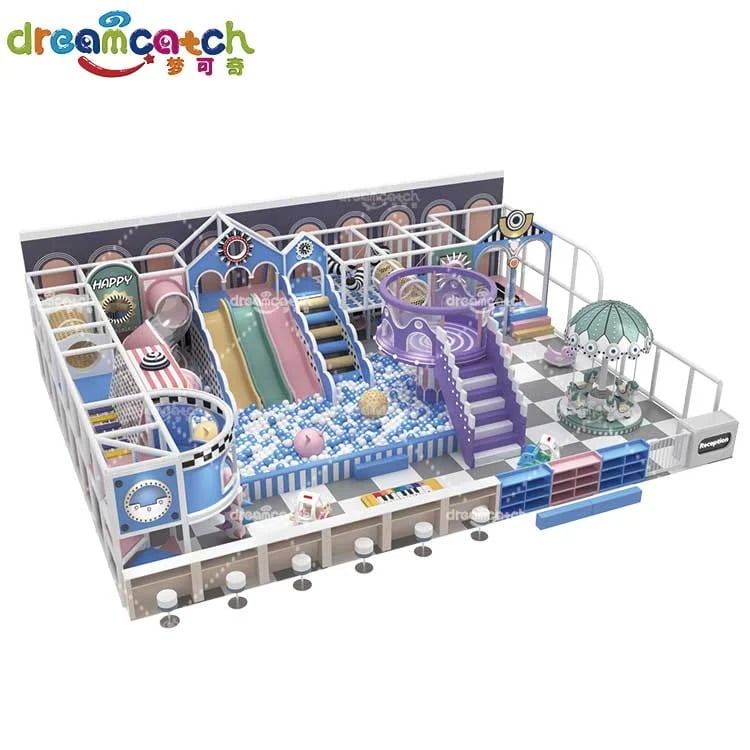
Every successful play facility starts with a clear vision, and kids indoor playground design is the foundation that determines whether a space truly works for children, operators, and families alike. Thoughtful kids indoor playground design goes far beyond placing colorful equipment in a room. It involves deliberate planning of layout, safety systems, age-appropriate challenges, sensory stimulation, and commercial viability. When done well, kids indoor playground design transforms an ordinary indoor space into a place children want to return to again and again.
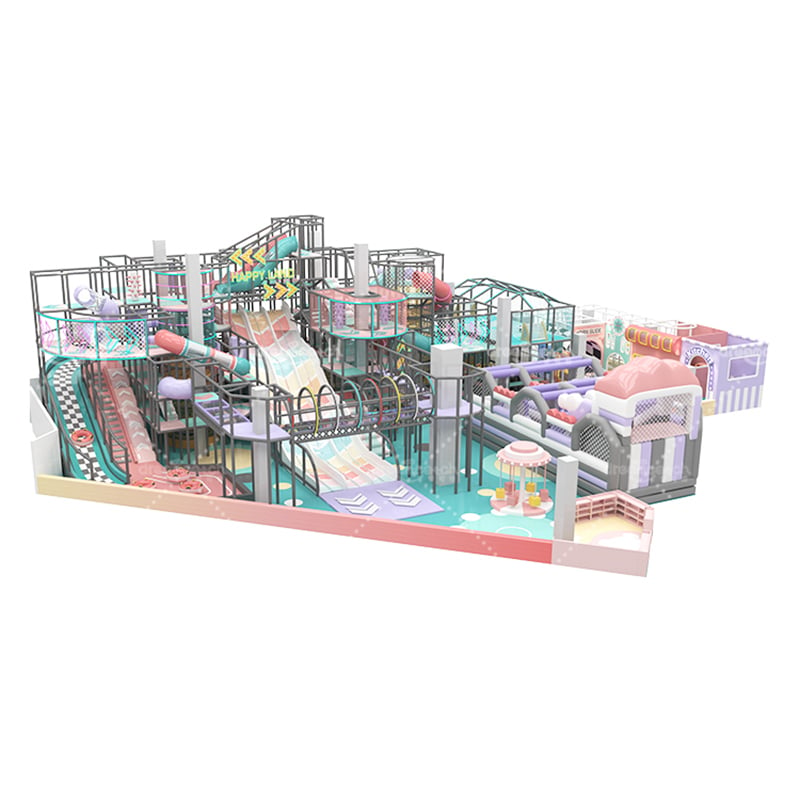
The modern approach to kids indoor playground design balances creativity with structure. Operators and facility planners today understand that kids indoor playground design must serve multiple goals simultaneously: keep children physically active, support cognitive development, meet strict safety standards, and create a commercially sustainable environment. This article walks through the essential principles that define high-quality kids indoor playground design in today's competitive market.
Safety as the Core of Kids Indoor Playground Design
Structural and Material Safety Standards
In any kids indoor playground design project, safety is not optional — it is the non-negotiable foundation. Every component used in kids indoor playground design must meet recognized international safety standards, including impact-absorbing flooring, smooth non-toxic surfaces, and rounded structural edges. Materials selected for kids indoor playground design should be certified as free from harmful chemicals, resistant to heavy daily use, and easy to sanitize. Poorly chosen materials can compromise the entire integrity of kids indoor playground design, leading to regulatory issues and liability risks for operators.
Structural load testing is also a critical part of professional kids indoor playground design. Climbing structures, net systems, and elevated platforms must be engineered to handle dynamic loads from active children. A well-executed kids indoor playground design will integrate structural reviews early in the planning phase rather than treating safety as an afterthought. This proactive approach ensures that every element of kids indoor playground design holds up under real-world use conditions.
Supervision Zones and Visibility Planning
Kids indoor playground design must also account for adult supervision needs. Effective kids indoor playground design includes clear sightlines from staff stations and parent seating areas into all active play zones. Blind spots are one of the most common and avoidable mistakes in kids indoor playground design. By carefully planning the spatial layout during the kids indoor playground design stage, operators can reduce accident risk and improve response times when children need assistance. Supervision-friendly kids indoor playground design gives parents peace of mind and strengthens the overall experience.
Age-Appropriate Zoning in Kids Indoor Playground Design
Separating Toddler and Older Child Areas
One of the most important principles in modern kids indoor playground design is age-appropriate zoning. A strong kids indoor playground design separates toddler zones from areas designed for older children, typically ages five and above. This separation is essential in kids indoor playground design because younger children require softer surfaces, lower structures, and gentler sensory stimulation. Mixing age groups without proper kids indoor playground design zoning creates both safety hazards and a frustrating play experience for all age groups involved.
Dedicated toddler areas in kids indoor playground design often feature soft-play blocks, low crawl tunnels, sensory panels, and padded climbing ramps. Older child sections in kids indoor playground design typically include multi-level climbing frames, rope courses, slides of varying heights, and interactive game elements. A tiered kids indoor playground design approach ensures that every child, regardless of age or developmental stage, finds suitable and engaging challenges within the facility.
Inclusive Design Considerations
Modern kids indoor playground design increasingly incorporates inclusive design to welcome children of all abilities. Inclusive kids indoor playground design means creating pathways, equipment options, and sensory experiences that are accessible to children with physical or cognitive differences. Wide ramps, wheelchair-accessible activity panels, and sensory-rich play elements are all features that elevate kids indoor playground design from good to genuinely excellent. Inclusivity in kids indoor playground design is not just an ethical consideration — it also expands the audience a facility can serve and strengthens community relationships.
Layout, Flow, and Commercial Logic in Kids Indoor Playground Design
Traffic Flow and Space Utilization
Beyond safety and age-zoning, successful kids indoor playground design requires smart spatial planning. Effective kids indoor playground design uses traffic flow analysis to determine where children naturally move through a space, where bottlenecks might form, and how to keep energy levels distributed across the facility. Poor spatial planning in kids indoor playground design leads to overcrowding in certain zones while other areas remain underused. A well-designed kids indoor playground design layout ensures that every square meter generates engagement and value.
Entrance and exit positioning in kids indoor playground design also matters more than many operators initially realize. Strategic kids indoor playground design places check-in desks, shoe storage, and transitions zones in positions that manage crowd flow naturally. The commercial success of a facility is often directly tied to how intelligently the kids indoor playground design handles these operational details. Even aesthetically impressive kids indoor playground design can underperform if the operational logic has not been built into the spatial plan.
Theming and Visual Identity
Theming is a powerful tool in kids indoor playground design that drives emotional engagement and brand recognition. A coherent visual theme in kids indoor playground design — whether it draws from nature, fantasy, urban adventure, or science — creates an immersive environment that children find irresistible. Consistent theming throughout kids indoor playground design also helps operators build a distinctive identity that stands out in a competitive market. Color choices, graphic treatments, lighting design, and equipment styling all come together in a well-executed kids indoor playground design to tell a unified story that resonates with children and parents alike.
FAQ
What is the most important element of kids indoor playground design?
Safety is consistently the most critical element of kids indoor playground design. This includes material quality, structural integrity, impact-absorbing flooring, and clear supervision sightlines. Every other creative and commercial goal in kids indoor playground design must be built on a solid safety foundation.
How does age-zoning improve kids indoor playground design outcomes?
Age-zoning improves kids indoor playground design by ensuring that play challenges, equipment scale, and surface safety are matched to the developmental needs of each age group. A zoned kids indoor playground design reduces injury risk and improves the play experience for toddlers and older children simultaneously.
Why does layout planning matter so much in kids indoor playground design?
Layout planning in kids indoor playground design directly impacts both safety and commercial performance. A thoughtfully planned kids indoor playground design manages crowd flow, maximizes space utilization, supports staff supervision, and creates a positive experience that encourages repeat visits. Without strong layout logic, even visually impressive kids indoor playground design will fall short of its full potential.