

 EN
EN
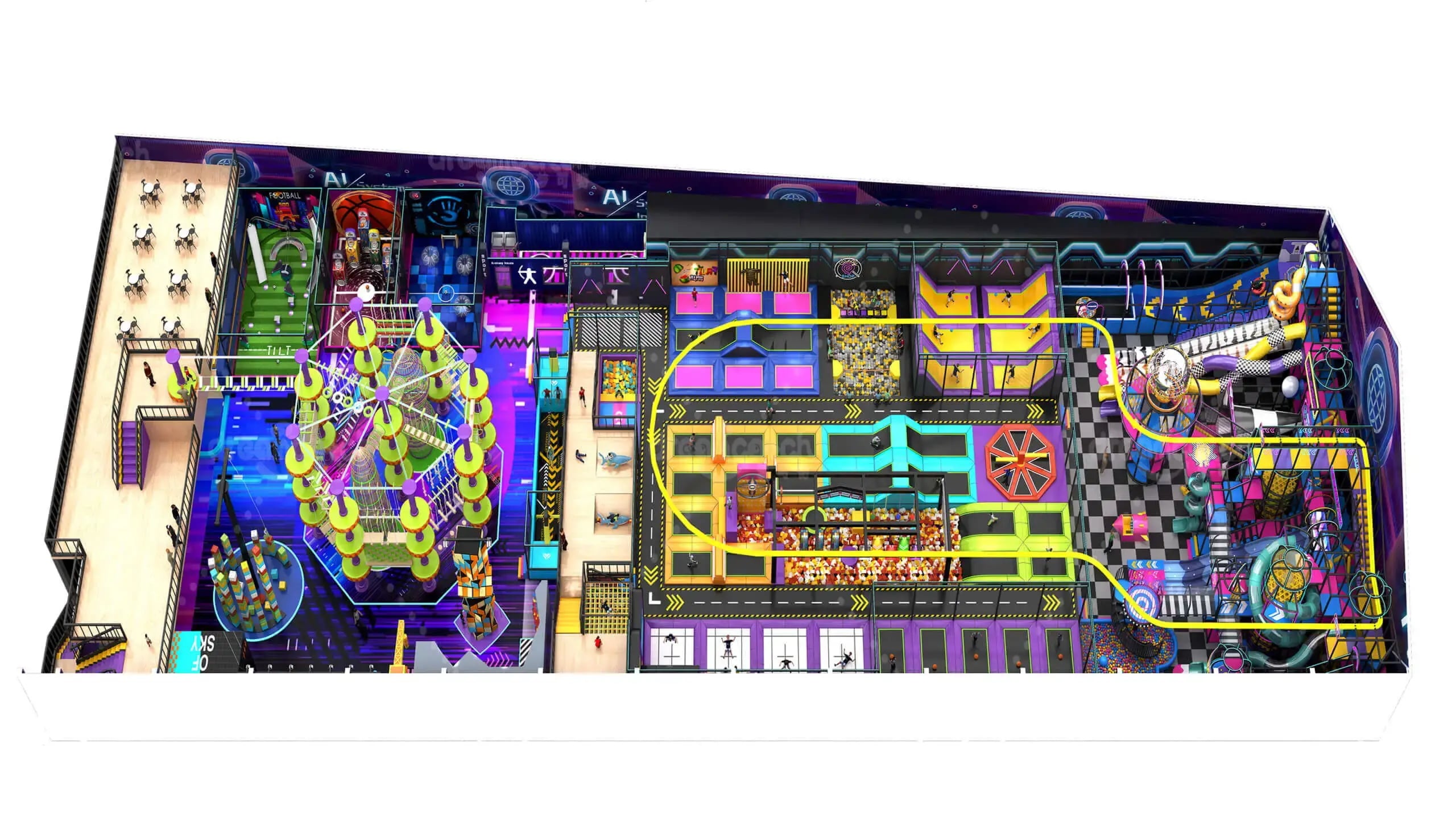
When custom commercial playground structures develop problems, the consequences can range from minor inconveniences to serious safety hazards. Whether you manage a school, a municipal park, or a hospitality venue, understanding how to identify, diagnose, and resolve issues in custom commercial playground structures is essential for protecting users and preserving your investment. This guide walks through the most common structural, safety, and maintenance challenges that arise with custom commercial playground structures and explains how to address them systematically.
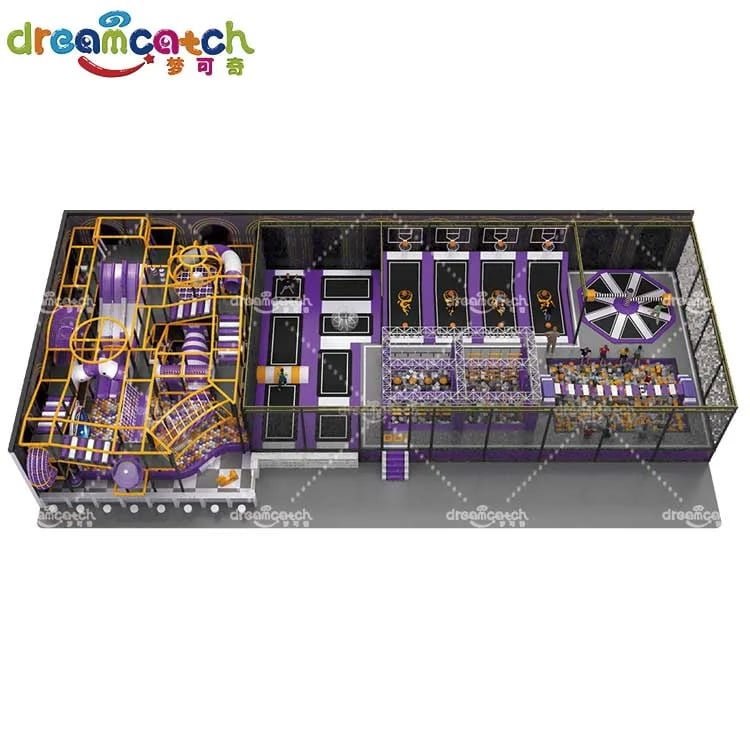
Unlike off-the-shelf units, custom commercial playground structures are designed to specific dimensions, themes, and load requirements. This complexity means troubleshooting requires a structured approach rather than generic fixes. Knowing what to look for and when to escalate issues ensures that your custom commercial playground structures remain safe, compliant, and functional for years of heavy use.
Recognizing Structural and Hardware Problems
Common Signs of Structural Deterioration
Structural deterioration in custom commercial playground structures often begins subtly. Small cracks in welded joints, surface corrosion on steel posts, or slight wobbling in platform decks can indicate deeper integrity issues. Inspectors working with custom commercial playground structures should look closely at load-bearing columns, connecting brackets, and anchor points embedded in the ground. Early detection of these signs in custom commercial playground structures prevents minor wear from escalating into failures that require costly full-section replacements.
Material fatigue is another concern specific to custom commercial playground structures that see high daily traffic. Repeated stress cycles cause micro-fractures in metal components and can cause resin or composite panels to delaminate. Routine tactile inspection of custom commercial playground structures, including applying controlled pressure to beams and handrails, helps identify hidden weakness before visual cracks appear. Documenting findings after each inspection cycle provides a reliable maintenance record for custom commercial playground structures.
Hardware Loosening and Fastener Failures
Fastener loosening is among the most frequently reported issues in custom commercial playground structures. Vibration from active play gradually works bolts and screws loose, particularly in climbing frames and overhead components. Maintenance teams responsible for custom commercial playground structures should use torque-verified tools to check all exposed fasteners on a scheduled basis. Stainless steel or hot-dip galvanized hardware is preferred in custom commercial playground structures exposed to outdoor humidity, because it resists corrosion-driven loosening far better than standard zinc-plated alternatives.
Addressing Surface, Coating, and Component Issues
Surface Coating Failure and Rust Prevention
Surface coatings on custom commercial playground structures serve both aesthetic and protective functions. When powder coatings chip, fade, or peel, the underlying steel becomes vulnerable to rust. Custom commercial playground structures located in coastal or high-humidity environments are especially susceptible to accelerated coating degradation. Spot-treating exposed metal areas promptly with compatible primers and topcoats extends the service life of custom commercial playground structures significantly. Full recoating should be considered for custom commercial playground structures that show widespread coating failure across multiple sections.
HDPE panels and plastic components in custom commercial playground structures can suffer UV-induced brittleness over time. This manifests as surface crazing, color fading, or cracking at stress points like slide lips and platform edges. Replacement panels for custom commercial playground structures should match the original material specification, including UV stabilizer rating and thickness, to maintain consistent performance and visual uniformity across the installation.
Slide, Deck, and Climber Component Repairs
Slides in custom commercial playground structures are high-wear items that require focused attention. Warping caused by thermal expansion can create gaps between slide sections, producing pinch hazards. Custom commercial playground structures with multi-lane or enclosed tube slides require periodic alignment checks using level gauges to confirm that slide transitions remain smooth and safe. Deck surfaces in custom commercial playground structures should be checked for delamination, especially around bolt penetrations where water can infiltrate and accelerate material breakdown.
Climbing components such as ropes, rock walls, and net panels in custom commercial playground structures experience concentrated stress at anchor points. Rope play components should be inspected for fraying, and fiber cores should be checked for internal degradation that may not be visible externally. Custom commercial playground structures that incorporate net climbers need regular tension verification, since loose net panels create entrapment and fall hazards. Replacing a single compromised component in custom commercial playground structures is always preferable to deferring action until a broader failure occurs.
Safety Compliance and Inspection Protocols
Meeting Ongoing Safety Standards
Custom commercial playground structures must conform to applicable safety standards throughout their operational life, not just at initial installation. Standards governing fall zones, entrapment openings, protrusion limits, and surfacing depth apply to custom commercial playground structures continuously. When repairs or replacements are made to custom commercial playground structures, the updated configuration should be reverified against current standards rather than simply restoring original dimensions. Using original engineering drawings helps maintenance teams confirm that custom commercial playground structures remain within approved design parameters after modifications.
Age-related standard revisions can also affect custom commercial playground structures that were installed under older guidelines. Facility managers should periodically review whether their custom commercial playground structures still meet current requirements, particularly for head-entrapment openings and guardrail heights. Engaging a certified playground safety inspector to audit custom commercial playground structures every one to three years provides independent verification and supports liability documentation.
Creating a Proactive Inspection Schedule
A proactive schedule is the most effective way to keep custom commercial playground structures in safe operating condition. Daily visual checks performed by on-site staff catch acute hazards such as vandalism damage or foreign object entanglement in custom commercial playground structures quickly. Weekly maintenance sweeps for custom commercial playground structures should cover fastener tightness, surface integrity, and fall zone surfacing depth. Comprehensive annual inspections of custom commercial playground structures should include professional evaluation of all structural welds, anchor embedment, and compliance conformance, with findings formally recorded and acted upon in a timely manner.
FAQ
How often should custom commercial playground structures be professionally inspected?
Custom commercial playground structures should receive a comprehensive professional inspection at least once per year. High-traffic sites or custom commercial playground structures installed in harsh climates may benefit from semi-annual professional reviews in addition to routine operator-performed daily and weekly checks.
What causes premature rust on custom commercial playground structures?
Premature rust on custom commercial playground structures is typically caused by coating damage that exposes bare metal to moisture and oxygen. Impact damage, improper installation of fasteners, and inadequate primer coverage at cut edges are common entry points for corrosion in custom commercial playground structures, especially in coastal or high-humidity locations.
Can individual components of custom commercial playground structures be replaced without rebuilding the entire unit?
Yes, most custom commercial playground structures are designed with modular connections that allow individual components to be replaced independently. Working with the original supplier of your custom commercial playground structures ensures that replacement parts match structural specifications, load ratings, and finish standards, preserving both safety integrity and visual consistency.