

 EN
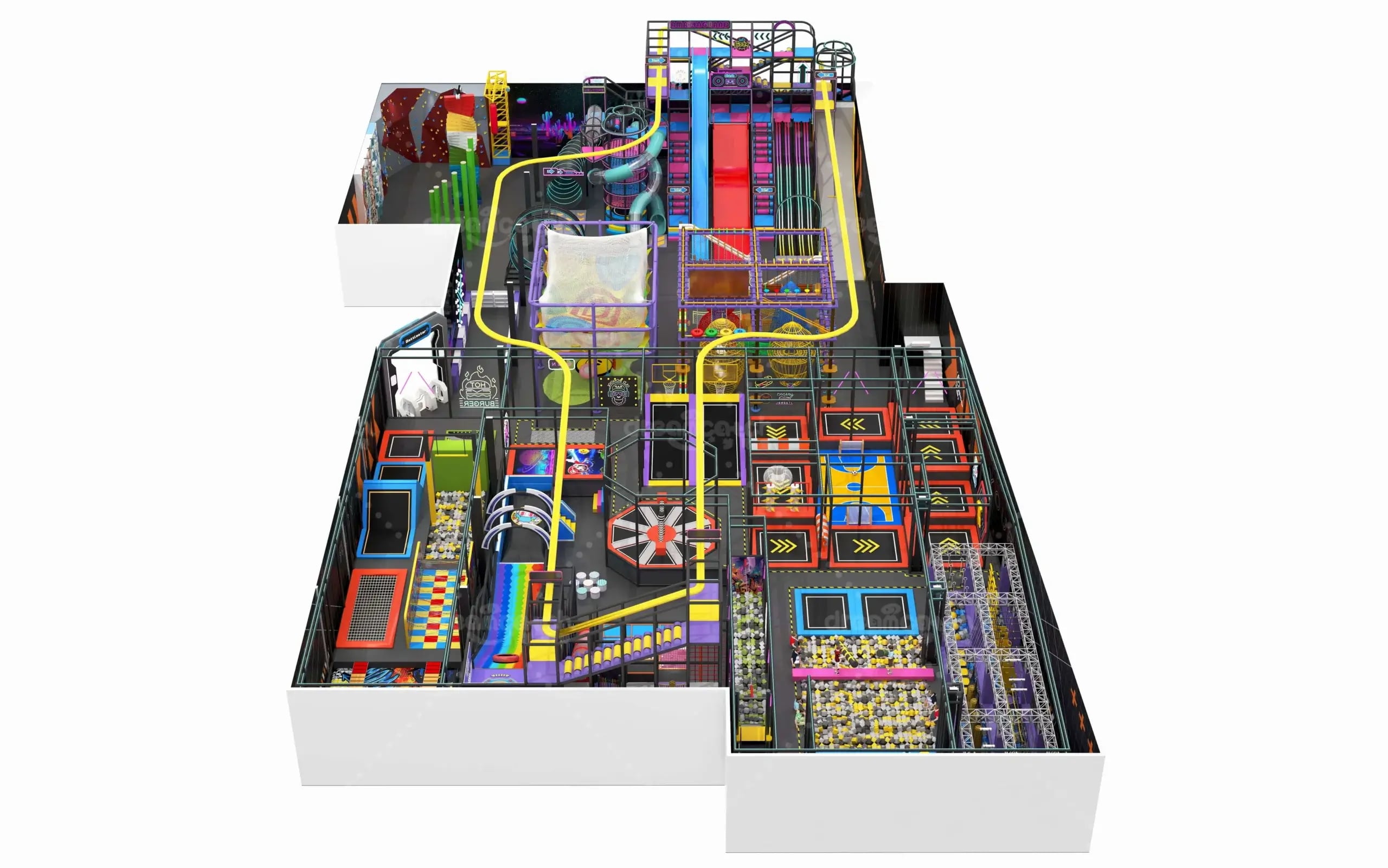
Choosing between custom commercial playground structures and prefabricated alternatives represents one of the most significant decisions facility managers and recreation directors face. Custom commercial playground structures offer tailored design solutions that reflect your community's unique needs, brand identity, and spatial constraints, while prefab options promise faster deployment and lower upfront costs. Understanding the distinct advantages, limitations, and practical implications of each approach is essential for making an investment decision that aligns with your budget, timeline, and long-term facility goals.
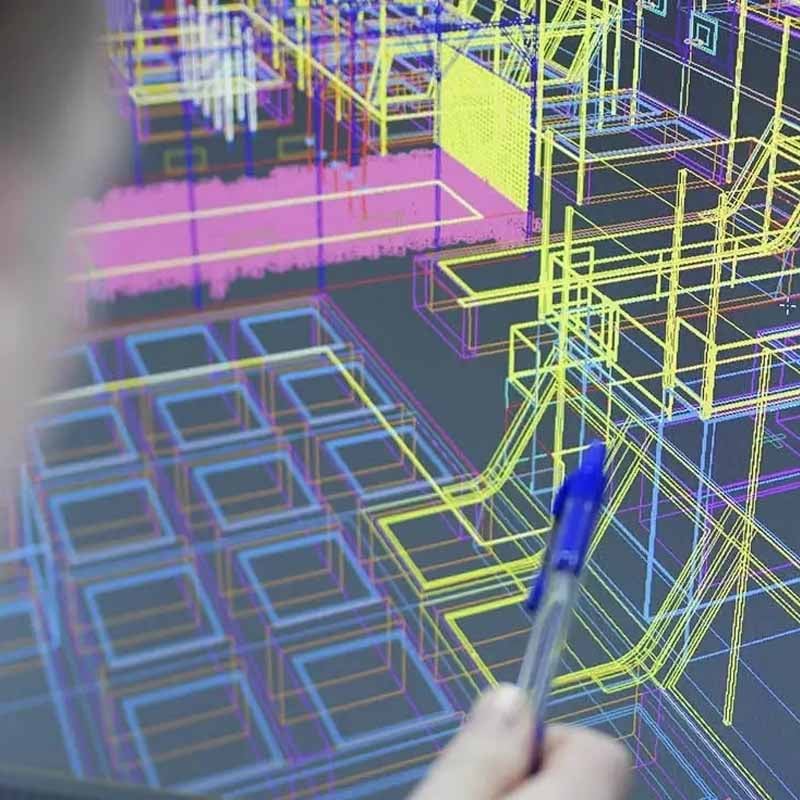
The playground equipment industry has evolved dramatically over the past decade, creating a spectrum of options that cater to different operational philosophies and financial frameworks. Custom commercial playground structures represent the premium end of this spectrum, designed from the ground up to match specific site dimensions, age-group demographics, accessibility requirements, and thematic visions. Prefabricated systems, conversely, leverage standardized modules and proven assembly methods to reduce design lead time and manufacturing complexity, making them an attractive option for organizations with tight schedules and limited capital budgets.
Design Flexibility and Customization Capabilities
Tailored Solutions in Custom Commercial Playground Structures
Custom commercial playground structures provide unparalleled flexibility in design, allowing architects and planners to create equipment that integrates seamlessly with existing landscape features, architectural themes, and community identity markers. When you invest in custom commercial playground structures, you gain the ability to specify exact dimensions, material finishes, color palettes, and thematic elements that align with your facility's vision. This level of customization extends to accessibility features, inclusive design components, and age-specific activity zones that can be positioned to maximize supervision sightlines and traffic flow patterns specific to your site layout.
The design process for custom commercial playground structures typically involves collaborative workshops with stakeholders, detailed site analysis, and iterative refinement of layout concepts. This collaborative approach ensures that the final custom commercial playground structures installation reflects genuine user needs rather than generic solutions. Design teams can integrate natural elements, incorporate local cultural references, and create unique play experiences that distinguish your facility from standard commercial installations.
Limitations of Prefab Configurations
Prefabricated playground systems offer design flexibility within defined parameters, constrained by the manufacturer's modular catalog and standard dimensions. While prefab options can be combined in various configurations, they cannot be substantially altered to fit unusual site geometries or accommodate highly specific thematic requirements. If your site features irregular boundaries, significant grade changes, or unusual spatial constraints, prefab systems may require compromise in layout effectiveness or require expensive custom fabrication additions that erode their cost advantage.
Cost Implications and Financial Planning
Investment Comparison for Custom Commercial Playground Structures
Custom commercial playground structures typically carry higher per-unit capital costs than prefabricated alternatives, reflecting the engineering expertise, design iteration, material selection, and bespoke fabrication involved. However, the total cost picture extends beyond initial purchase price to encompass installation complexity, timeline, maintenance requirements, and long-term operational expenses. Custom commercial playground structures often feature premium material selections and precision engineering that can result in lower maintenance costs over a 15- to 20-year lifecycle compared to standardized prefab systems.
Budget planning for custom commercial playground structures should include design and engineering fees, which can range from 10 to 20 percent of total equipment costs, plus contingency for site-specific installation challenges. Organizations with available capital and multi-year planning horizons often find that custom commercial playground structures deliver superior return on investment through enhanced user engagement, reduced replacement cycles, and operational efficiency gains.
Prefab Cost Advantages and Hidden Expenses
Prefabricated playground systems deliver immediate cost savings through streamlined manufacturing, standardized assembly protocols, and reduced engineering overhead. Initial equipment acquisition costs for prefab options can be 20 to 40 percent lower than comparable custom commercial playground structures, making prefab particularly attractive for budget-constrained projects or rapid deployment scenarios. However, facility managers should account for potential additional costs including site preparation modifications, compliance upgrades, custom footings for unusual terrain, and extension warranties required for extended coverage.
The apparent cost advantage of prefab can diminish over time as maintenance requirements accumulate, component replacements become necessary, and operational inefficiencies emerge from suboptimal layout. Custom commercial playground structures, while more expensive upfront, often prove more cost-effective when factoring in a full facility lifecycle perspective.
Timeline, Installation, and Operational Deployment
Extended Development for Custom Commercial Playground Structures
The custom commercial playground structures development timeline typically spans 4 to 8 months from initial concept through final installation, encompassing design phases, engineering review, fabrication scheduling, and on-site assembly. This extended timeline reflects the complexity of creating bespoke solutions but should not be viewed negatively, as it allows thorough planning, stakeholder engagement, and proactive identification of potential installation challenges. Custom commercial playground structures manufacturers work collaboratively to optimize fabrication sequences, coordinate material delivery, and provide comprehensive installation support.
Organizations choosing custom commercial playground structures must build this timeline into their project planning, beginning design work 12 to 18 months before desired opening dates. The extended development period offers advantages including opportunity for detailed safety audits, accessibility compliance verification, and community feedback incorporation that may be rushed with faster-deployed alternatives.
Rapid Deployment with Prefabricated Systems
Prefabricated playground systems can transition from order to installation within 6 to 12 weeks, making them ideal for organizations operating under tight budget cycles or responding to urgent facility upgrade mandates. This accelerated timeline reduces administrative overhead, shortens the period of fundraising completion, and enables faster community benefit realization. For organizations with proven site conditions and straightforward installation requirements, prefab systems minimize complexity and deliver rapid operational capability.
The rapid deployment advantage of prefab systems makes them particularly suitable for temporary installations, satellite facility upgrades, or situations where extended planning horizons are not feasible. However, accelerated timelines can compromise thoroughness of site assessment and reduce opportunity for stakeholder input, potentially resulting in installations that do not optimally serve user populations.
Durability, Maintenance, and Long-Term Value
Premium Engineering in Custom Commercial Playground Structures
Custom commercial playground structures feature engineered solutions specifically designed for your site's environmental conditions, traffic patterns, and user demographics, resulting in components precisely calibrated to withstand anticipated wear and stress. Material selections, fastening protocols, and structural reinforcements in custom commercial playground structures are optimized based on detailed site analysis, resulting in installations that age gracefully and maintain safety compliance throughout extended operational lifecycles. This precision engineering typically yields lower maintenance frequencies, extended component lifespan, and reduced emergency repair incidents.
Organizations investing in custom commercial playground structures benefit from manufacturer-specific maintenance protocols, engineered spare parts compatibility, and technical support from design teams familiar with system-specific requirements. This advantage compounds over time as custom commercial playground structures accumulate operational history and reveal performance characteristics that guide preventive maintenance scheduling.
Standardized Maintenance for Prefab Systems
Prefabricated playground systems follow standardized maintenance protocols established by manufacturers, with readily available replacement components through established supply channels. Maintenance procedures, parts inventories, and troubleshooting guidance are well-documented, enabling facility staff to perform routine service without specialized technical expertise. However, prefab systems often experience higher replacement rates during peak-use seasons, as standardized components may not be optimized for specific site conditions or user demographics.
The modular design of prefab systems facilitates component-level repairs and replacements, but this modularity sometimes results in cascading failures when one component's degradation affects adjacent systems. Custom commercial playground structures, by contrast, typically feature integrated design approaches where component interdependencies are minimized through thoughtful engineering.
FAQ
What factors should primarily influence the choice between custom commercial playground structures and prefab options?
The decision between custom commercial playground structures and prefab systems should prioritize your facility's design vision, available budget, planning timeline, and long-term operational strategy. If your site features unique spatial constraints, specific thematic requirements, or integrated accessibility needs, custom commercial playground structures justify premium investment. If budget limitations, rapid deployment requirements, or standardized configuration needs are paramount, prefab systems may be more appropriate. Consider your facility's lifecycle planning horizon, as custom commercial playground structures deliver superior long-term value for permanent installations while prefab systems excel in temporary or satellite deployments.
How much longer does installation take for custom commercial playground structures compared to prefab?
Custom commercial playground structures typically require 4 to 8 months from design initiation through final installation, compared to 6 to 12 weeks for prefabricated systems. This extended timeline for custom commercial playground structures reflects design development, engineering review, and precision fabrication rather than indicating inferior quality. The 3 to 6 month difference should factor into your project scheduling, but organizations planning 12 to 18 months in advance will find custom commercial playground structures timelines manageable and worthwhile given design benefits.
Do custom commercial playground structures offer better long-term value than prefab alternatives?
Custom commercial playground structures typically deliver superior long-term value for permanent facility installations when evaluated over 15- to 20-year lifecycles. The premium initial investment in custom commercial playground structures is offset by lower maintenance costs, extended component lifespans, reduced emergency repairs, and optimized user engagement that maximizes facility utilization rates. For temporary installations or facilities with limited budgets, prefab systems may offer better short-term value despite higher long-term operational costs. Comprehensive lifecycle cost analysis should inform this comparison, accounting for maintenance, replacement, compliance updates, and operational efficiency factors.
Table of Contents
- Design Flexibility and Customization Capabilities
- Cost Implications and Financial Planning
- Timeline, Installation, and Operational Deployment
- Durability, Maintenance, and Long-Term Value
-
FAQ
- What factors should primarily influence the choice between custom commercial playground structures and prefab options?
- How much longer does installation take for custom commercial playground structures compared to prefab?
- Do custom commercial playground structures offer better long-term value than prefab alternatives?