

 EN
EN
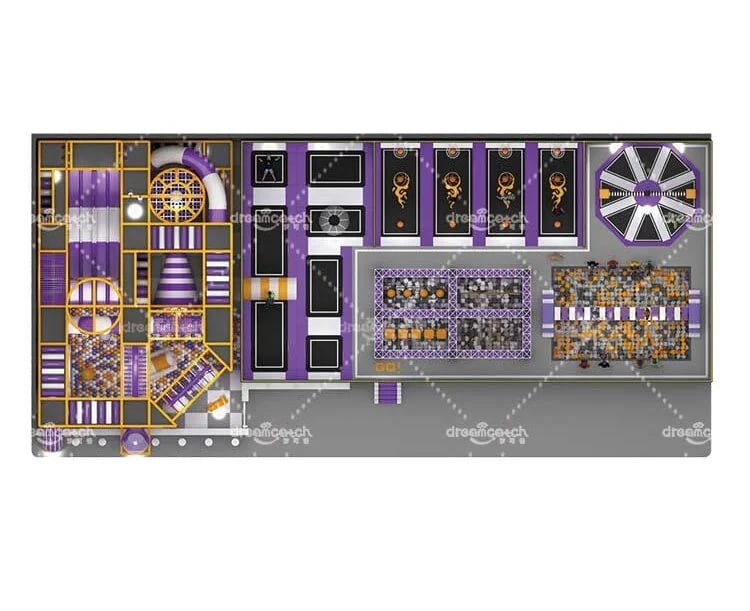
Playground structures for commercial use represent a critical investment for schools, parks, recreation centers, and community facilities seeking to provide safe, engaging play environments. These specialized installations are engineered to withstand high-traffic use while maintaining strict safety standards and delivering exceptional durability over many years of operation. Understanding the defining characteristics of playground structures for commercial use helps facility managers make informed purchasing decisions that balance safety, cost-effectiveness, and user satisfaction across diverse age groups and abilities.
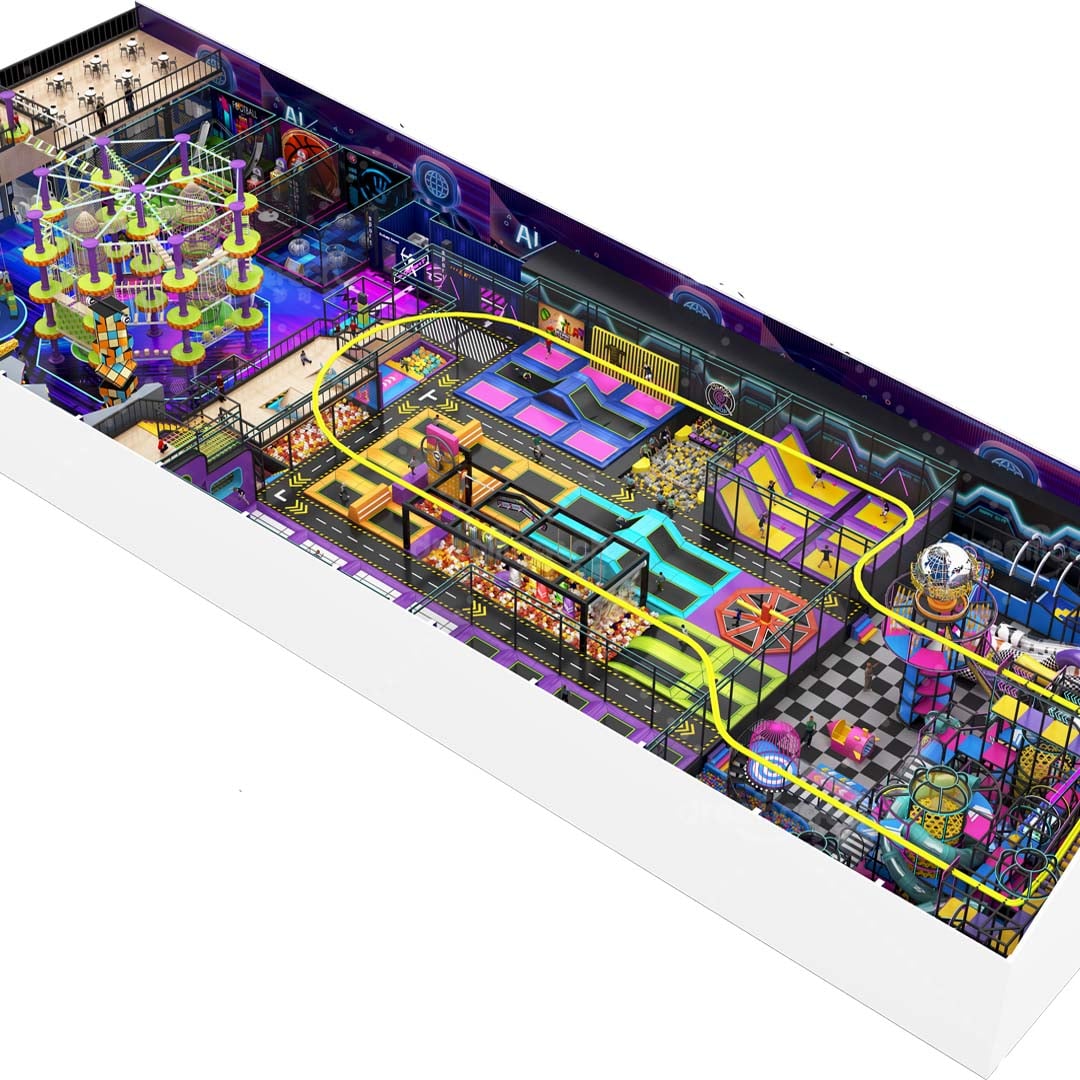
The market for playground structures for commercial use has evolved significantly, driven by heightened awareness of child development, injury prevention, and inclusive design principles. Modern playground structures for commercial use integrate advanced materials, modular designs, and accessibility features that accommodate children of varying physical abilities. This comprehensive guide explores the essential components, regulatory frameworks, and decision criteria that define quality playground structures for commercial use in contemporary facility management.
Core Components and Design Features
Safety Standards and Material Selection
Playground structures for commercial use must comply with established safety standards including ASTM F1487 and CPSI guidelines that govern fall height, surface materials, entrapment risks, and equipment spacing. These playground structures for commercial use typically feature engineered wood fiber, rubber mulch, or poured-in-place rubber surfaces beneath elevated components to absorb impact and reduce injury severity. The structural framework of quality playground structures for commercial use relies on galvanized steel, reinforced plastic, or treated timber that resists weathering, corrosion, and degradation from constant use by multiple children daily.
Material selection for playground structures for commercial use directly impacts maintenance costs and longevity. Stainless steel hardware prevents rust and extends the service life of playground structures for commercial use, while UV-resistant plastics maintain color and structural integrity through extended sun exposure. Facility managers evaluating playground structures for commercial use should prioritize specimens with documented testing results, warranty coverage, and replacement part availability to ensure long-term operational viability.
Age-Appropriate Equipment Configurations
Effective playground structures for commercial use incorporate distinct zones and equipment heights tailored to specific age groups, typically organized into toddler, preschool, and school-age sections. Playground structures for commercial use designed for toddlers feature lower climbing heights, gentler slopes, and enclosed platforms that prevent falls and provide caregiver sightlines. Conversely, playground structures for commercial use intended for school-age children include taller climbing towers, rapid descent slides, and challenging obstacles that promote physical development and risk assessment skills.
Inclusive design represents a critical dimension of modern playground structures for commercial use, incorporating wheelchair-accessible pathways, ground-level sensory play stations, and adaptive swings that accommodate children with mobility, sensory, or cognitive differences. Well-designed playground structures for commercial use eliminate barriers to participation and foster social integration among children with diverse abilities and developmental profiles.
Installation, Maintenance, and Operational Considerations
Site Assessment and Foundation Requirements
Successful deployment of playground structures for commercial use begins with comprehensive site assessment examining soil conditions, drainage patterns, sun exposure, and existing infrastructure. Playground structures for commercial use require properly engineered foundations, typically involving concrete footings below the frost line to prevent heaving and structural failure during seasonal freeze-thaw cycles. Adequate spacing around playground structures for commercial use ensures compliance with fall zones, allows emergency vehicle access, and facilitates maintenance operations without disrupting play activities.
Surface preparation beneath playground structures for commercial use demands careful attention to drainage, compaction, and material depth specifications outlined in manufacturers' guidelines. Inadequate surface materials or poor site drainage can compromise safety effectiveness and accelerate deterioration of playground structures for commercial use. Professional installation by certified contractors ensures structural integrity and warranty validity for playground structures for commercial use investments.
Preventive Maintenance and Safety Inspections
Playground structures for commercial use require documented preventive maintenance schedules encompassing monthly visual inspections, quarterly detailed evaluations, and annual professional safety audits. Regular maintenance of playground structures for commercial use includes hardware tightening, surface material raking and replacement, vegetation management, and removal of debris or hazards. Facility operators must maintain detailed maintenance logs for playground structures for commercial use, documenting inspection findings, repairs performed, and component replacements to demonstrate due diligence and regulatory compliance.
Surface material degradation represents a primary maintenance concern for playground structures for commercial use, as repeated impact and weather exposure gradually reduce material depth and shock-absorption capacity. Proactive material replenishment preserves the safety performance of playground structures for commercial use and extends overall equipment lifespan. Professional audits by certified safety inspectors provide objective assessment of playground structures for commercial use condition and identify emerging issues before they pose safety risks.
Selection Criteria and Implementation Strategy
Budget Planning and Cost-Benefit Analysis
Budget development for playground structures for commercial use encompasses initial capital investment, installation costs, and lifecycle maintenance expenses spanning ten to fifteen years of operation. Comprehensive cost analysis for playground structures for commercial use should compare equipment pricing, warranty duration, material durability ratings, and anticipated maintenance requirements across candidate suppliers. Life-cycle cost assessment reveals that slightly higher initial investment in premium-grade playground structures for commercial use often yields superior long-term value through reduced maintenance frequency and extended service intervals.
Funding mechanisms for playground structures for commercial use include municipal budget allocations, grant programs from health and recreation agencies, corporate sponsorships, and community fundraising initiatives. Strategic procurement approaches for playground structures for commercial use can reduce costs through bulk purchasing, seasonal promotions, or partnerships with equipment manufacturers and installation contractors.
Community Engagement and Usage Planning
Stakeholder input strengthens the planning process for playground structures for commercial use by incorporating perspectives from parents, educators, facility staff, and children with disabilities. Facility operators should assess anticipated usage patterns and peak usage periods to right-size playground structures for commercial use and ensure equipment capacity meets demand. Community surveys and focus groups inform decisions about feature preferences, accessibility priorities, and design themes for playground structures for commercial use installations.
Long-term usage planning for playground structures for commercial use considers growth projections, demographic changes, and evolving recreational preferences within service communities. Modular design features in quality playground structures for commercial use enable future expansion or reconfiguration to accommodate changing community needs without complete replacement, protecting facility investments over extended operational timelines.
FAQ
What safety certifications should playground structures for commercial use possess?
Playground structures for commercial use should carry ASTM F1487 certification demonstrating compliance with American Society for Testing and Materials safety standards. Additional certifications from CPSI (Certified Playground Safety Inspector) programs and local building codes confirm that playground structures for commercial use meet established safety requirements. Documentation of third-party testing and compliance certifications provides facility managers with confidence that equipment protects children from entrapment, fall-related injuries, and structural hazards.
How frequently should playground structures for commercial use undergo professional safety inspections?
Industry best practices recommend comprehensive professional safety inspections of playground structures for commercial use annually, with monthly visual checks and quarterly detailed assessments performed by facility staff. High-traffic facilities may benefit from biannual professional audits to monitor surface material degradation and identify wear patterns on playground structures for commercial use. Inspection frequency should increase following severe weather events or when visible damage to playground structures for commercial use components is observed.
Can playground structures for commercial use accommodate children with different abilities?
Modern playground structures for commercial use increasingly incorporate universal design principles that provide accessible entry points, sensory play stations, and adaptive equipment for children with mobility, sensory, or developmental differences. Well-designed playground structures for commercial use eliminate physical barriers while fostering social inclusion among children of diverse abilities. Facility planners should consult accessibility guidelines and engage disability advocates when selecting or customizing playground structures for commercial use to ensure equitable participation opportunities.